
Sensory Kit
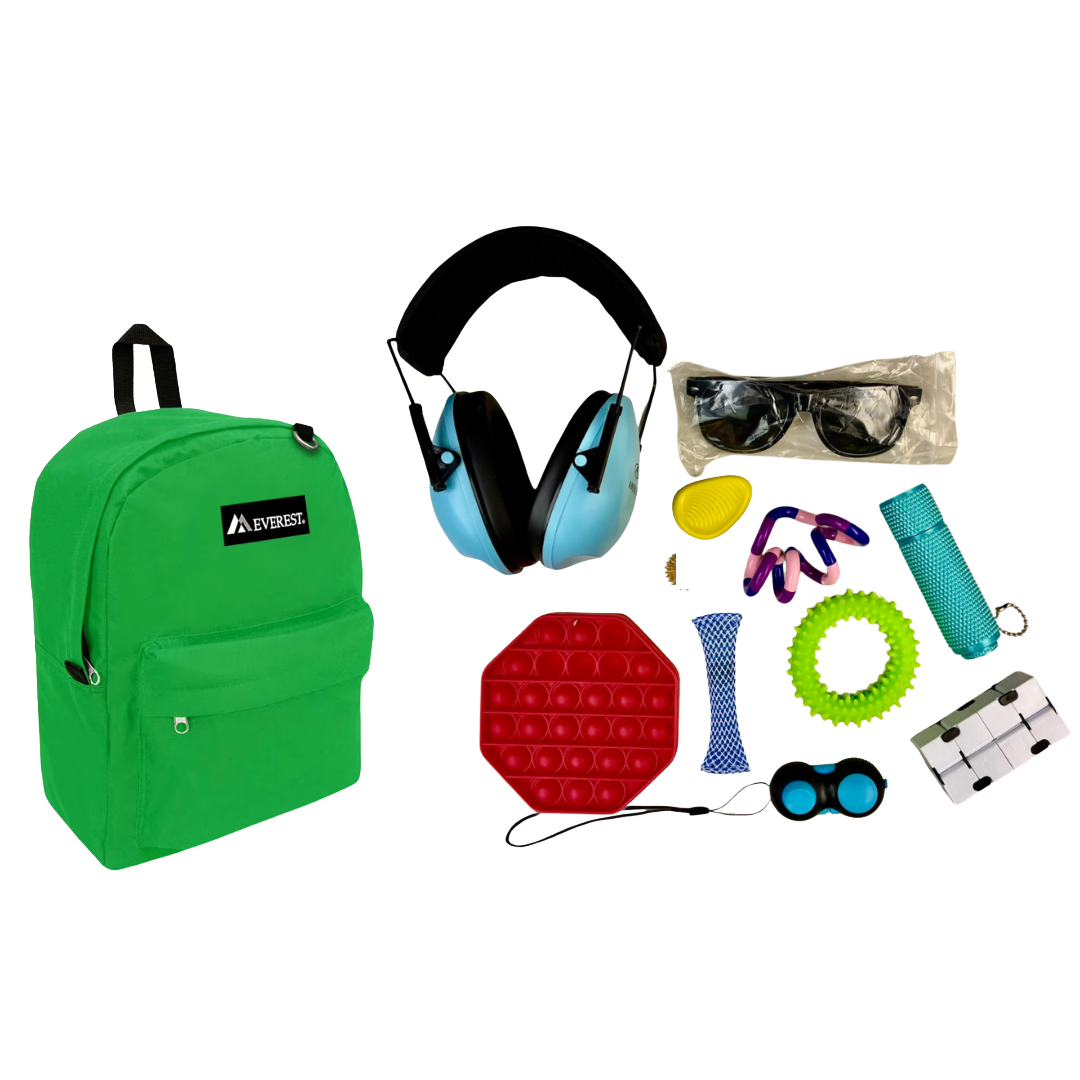
A sensory kit can be a helpful tool for making public spaces more comfortable and enjoyable for people with sensory needs. There is no single “right” way to use a sensory kit. The goal is to offer choices and find what feels helpful to the individual.
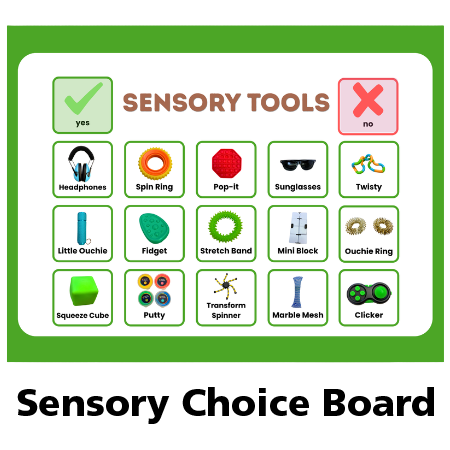
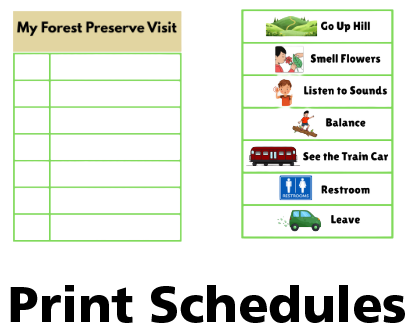
Every sensory kit bag includes a sensory choice board to assist with choosing items. Each bag also includes a customizable picture schedule to help visitors build their own schedule to follow during their visit. Numerous actions and site-specific activities are included on Velcro tabs to place in any order you see fit.
Start by observing and offering choices.
Consider what the person may be experiencing. Is the space loud, crowded, bright, or busy? Are they having difficulty staying focused or waiting? Chose an item that may address the situation, or offer two or three options and let the individual choose. For example, someone who is bothered by noise may prefer headphone, while someone who needs something to keep their hands busy may prefer a fidget item.
Let the individual guide the choice.
When possible, show the available items and ask, “Would you like to try one of these?” Avoid assuming that a particular item will work. Sensory preferences are different for everyone, and an item that is calming for one person may be distracting or uncomfortable for another.
Introduce items gently.
Give the person time to look at or explore an item before expecting them to use it. Demonstrate how an item works if helpful, but avoid placing an item in someone’s hands or on their body without permission. Some individuals may prefer to use an item independently.
Watch for signs that an item is helping — or not helping.
Relaxed body language, increased attention, or greater comfort may suggest that an item is useful. If the person pushes an item away, becomes more upset, or shows signs of discomfort, remove the item or offer another choice. It is always okay to stop using an item.
Keep the kit accessible.
Make the kit easy to find and use before someone becomes overwhelmed. If possible, let individuals know that the kit is available and where it can be found.
There is no expectation to use the kit “correctly.”
Offer choices, respect individual preferences, and give people time and space to find what works best for them. A sensory kit is most successful when it provides people with options that help them feel comfortable, confident, and ready to participate.