
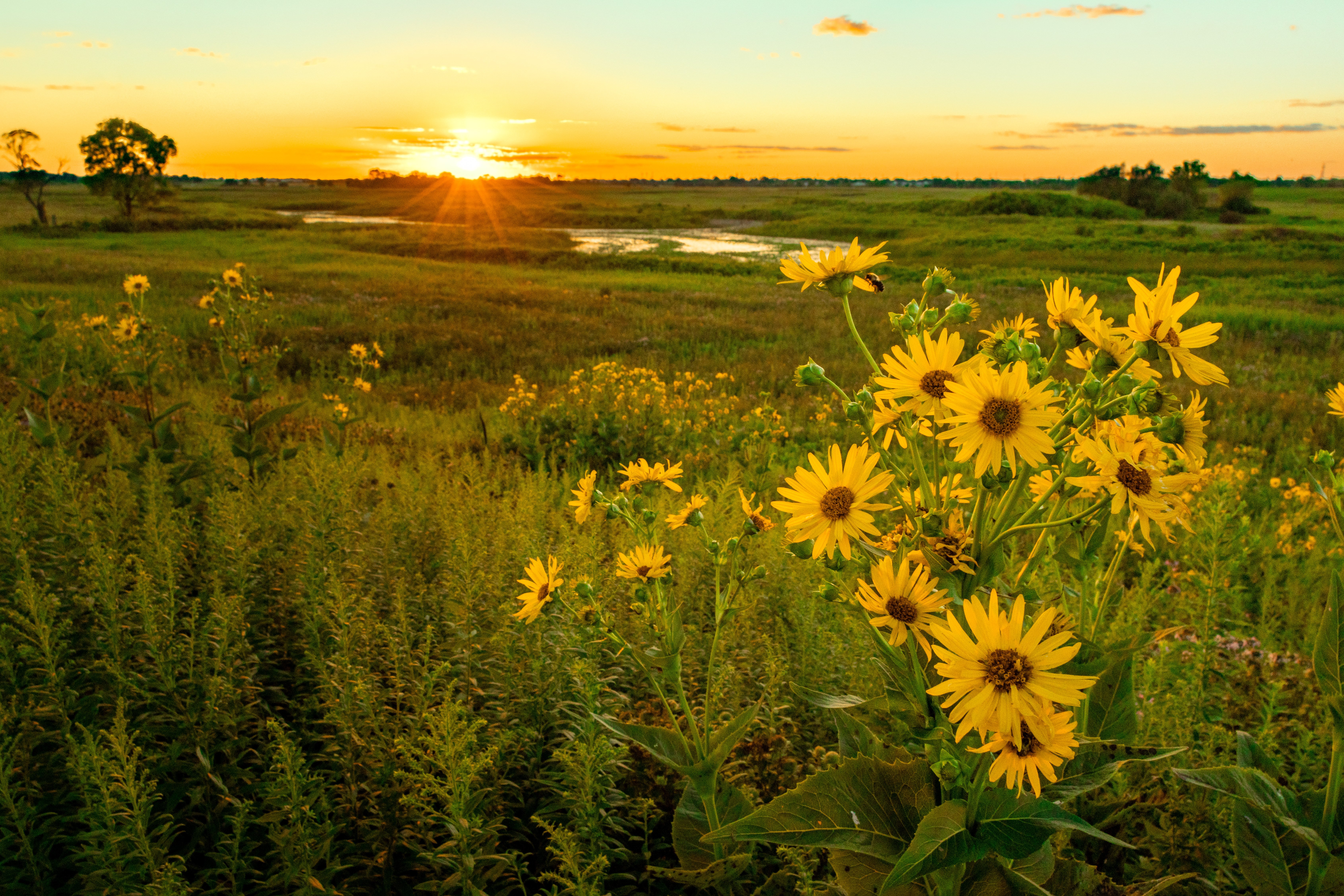
With America’s semiquincentennial upon us, it seems the perfect time to look back on the past 250 years of the land that is today’s Forest Preserve District of DuPage County. This blog, the second in a series examining the people, land, and wildlife of the area, will focus on the period between 1832 and 1915, a time of great change to the region’s landscape and inhabitants.
In 1830 President Andrew Jackson signed the Indian Removal Act, which required all Native peoples to relocate west of the Mississippi River. While many chose to leave rather than resist, some conflicts ensued, the most notorious being the Black Hawk War of 1832.
Many people of European descent, including some veterans of the Black Hawk War, relocated to Illinois after the war. As more settlers moved to the region, the need for infrastructure increased. New road and railroad systems and innovations in agriculture symbolized progress, but they also introduced the start of the destruction of the natural landscape.
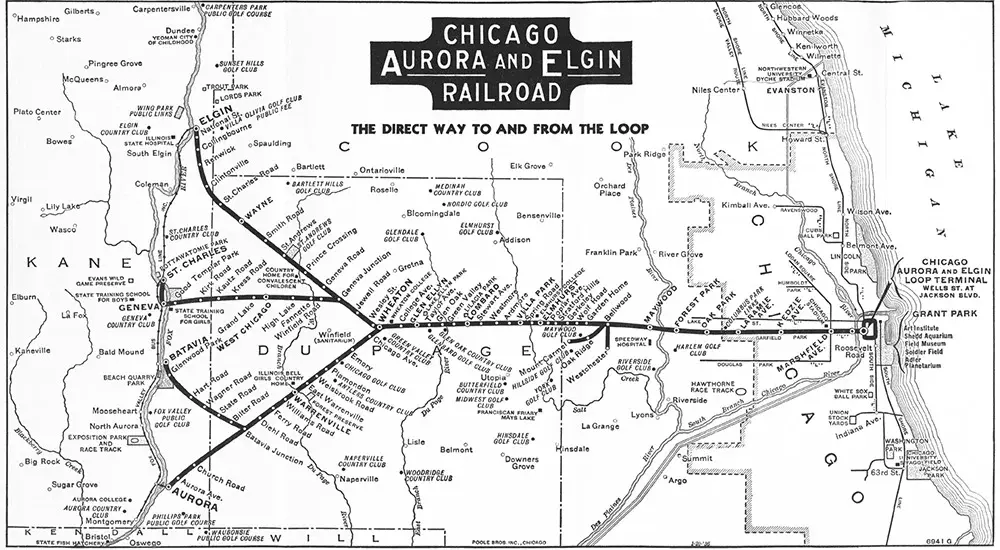
As settlers moved to the region and constructed roads and railways, the area's natural landscape suffered.
First affected were the forests. Acres upon acres of timber were stripped to build railroad ties, support beams for bridges and tunnels, planks for new roads, and shelter for construction crews. In the prairies, settlers hunted bison and elk out of the region to make way for grass-dependent livestock.
In DuPage, towns began sprouting up along an old mud fur-trading trail, which was eventually fitted with wooden planks to make wagon travel easier. Named Southwest Plank Road (today’s Ogden Avenue), this thoroughfare served as a highway into the rapidly expanding city of Chicago. Residents used these roads to transport their goods to the city.
The ability to transport goods quickly over long distances in turn spurred the growth of agriculture. Farmers pleased with the area’s rich prairie soil populated much of DuPage County, which was established in 1839.
Also in the 1830s, a settler erected a sawmill along Salt Creek in what is now Oak Brook and dammed the waterway. The sawmill burned in 1848 but was replaced with a grist mill, Graue Mill, which is now on the National Register of Historic Places and operated by the Forest Preserve District of DuPage County as a museum and education center.
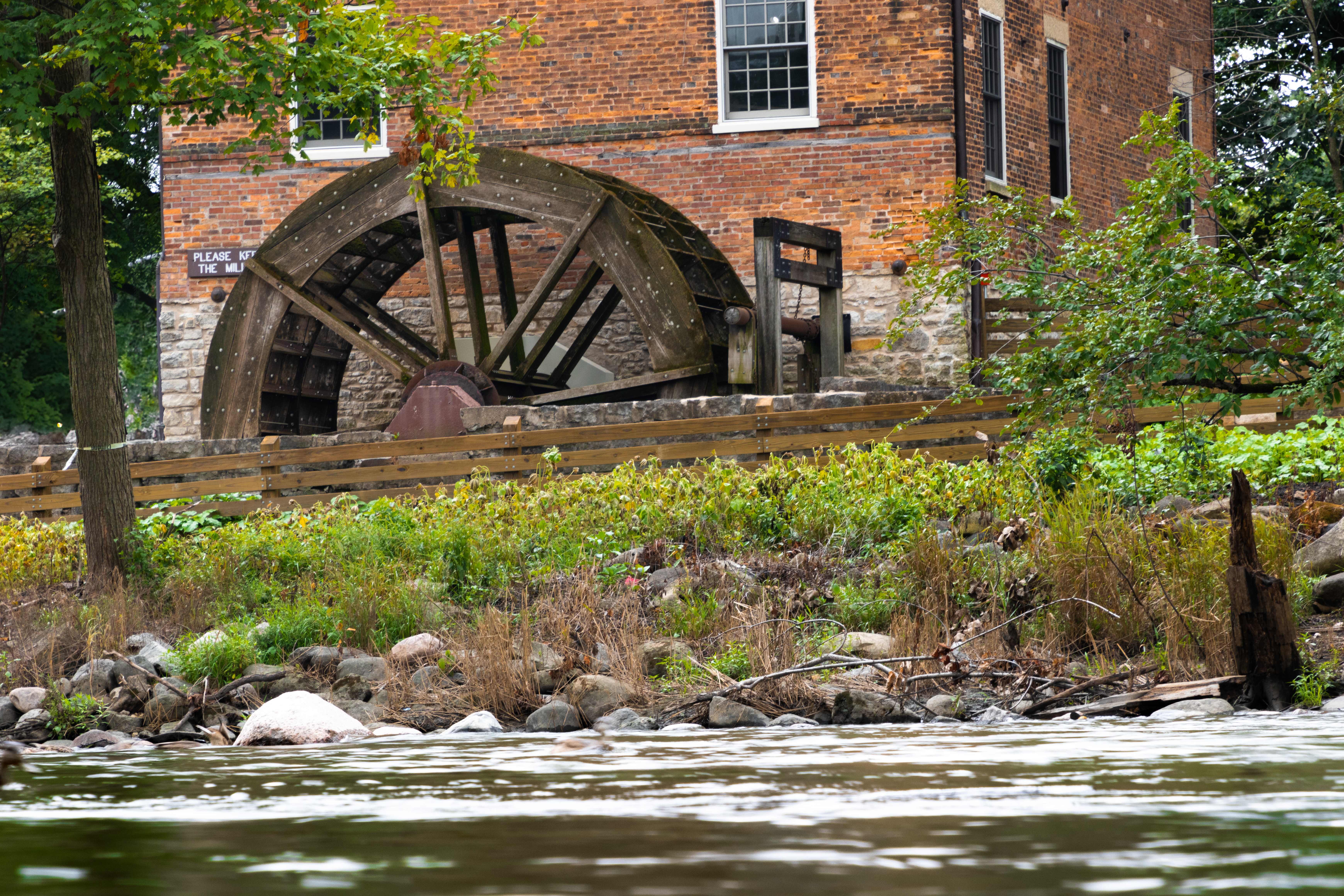
Originally built in the 19th century, Graue Mill is now a museum and education center that is open to the public.
However, all the farming led to the destruction of native prairies. And in wetland areas, farmers buried drainage tiles to make the land more arable and improve yields. The methods worked, and it became apparent that the amount of product being shipped to the city, and across the country, required a more efficient form of travel than horse-drawn wagons. Thus came the railroads.
Construction on Illinois’ inaugural railroad, the Northern Cross Railroad, commenced in 1838 and rail lines were subsequently built across the state. In 1902, one of the most popular railroads in DuPage County was established, the Chicago, Aurora & Elgin Railroad. This electric option quickly transported passengers to and from Chicago. It ceased operation in 1957 as automobiles became the main mode of transportation with the creation of highways like the Eisenhower Expressway. The railroad, however, laid the groundwork for one of the first rails-to-trails programs — the Illinois Prairie Path, which now connects several DuPage forest preserves.
DuPage County was certainly bustling by the beginning of the 20th century, but its landscape and wildlife were steadily disappearing under the influence of commerce, farming, and deforestation. Residents of DuPage County and surrounding areas dumped factory chemicals, sewage, household trash, fertilizers, and other pollutants in open waterways like the Chicago and DuPage rivers. The polluted water began degrading the land.
In 1915, residents of DuPage voted for protection against the removal of woodlands and natural areas. During the next two years, county employees developed the fifth county-run forest preserve district in the nation in preparation for the county’s first forest preserve, York Woods. The establishment of what became the Forest Preserve District of DuPage County began a slow reversal of the devastating trend of land degradation and instituted a new view of land and wildlife management in DuPage County.
Now, more than a 100 years later, the Forest Preserve District of DuPage County manages over 26,000 acres of land split across 60 forest preserves and 175 miles of trails.
***
Fun Fact: In 1896 the U.S. flag had 45 stars. Replicas of this flag are available to purchase for $1 in the gift shop at Kline Creek Farm.
This is the second installment of a four-part blog series detailing the people, land, and wildlife of DuPage County during America's first 250 years. Click the links below to access the other blogs.