Mussel Matters: Saving Critical Species in DuPage County
A Forest Preserve District of DuPage County Documentary
The original short film Mussel Matters: Saving Critical Species in DuPage County highlights modern challenges and community efforts to protect the Upper DuPage River and Salt Creek watersheds that are home to nearly one million people across 77 municipalities and was created in partnership between North Central College, The Conservation Foundation, and Forest Preserve District of DuPage County.
In March 2023, a coalition of seven community partners led by North Central College joined forces to create an original film and plan a two-day film festival to increase knowledge, concern, and action about Upper DuPage and Salt Creek watershed issues. The goal of this initiative was to spark conversations about the ecological health and sustainability of our local waterways and be a catalyst for collective action among government, non-government, academic, and general public groups. Our local rivers and streams are impacted by a multitude of stressors that require a multifaceted solution—including land protection, stream restoration, and species propagation.
The film continues to make an impact and has been accepted into eight film festivals since its debut in March 2024, including the Better Cities Film Festival, the Eugene Environmental Film Festival, the Fresh Coast Film Festival, the Black Bear Film Festival, the Wildlife Conservation Film Festival, and the San Pedro International Film Festival.

Mussel Matters Trailer
To watch the full video at no cost, please fill out the form below.
For additional information or to schedule a private screening with guest speakers, contact the District's multimedia content specialist Jonathan Mullen at jmullen@dupageforest.org.
Request link to view full video
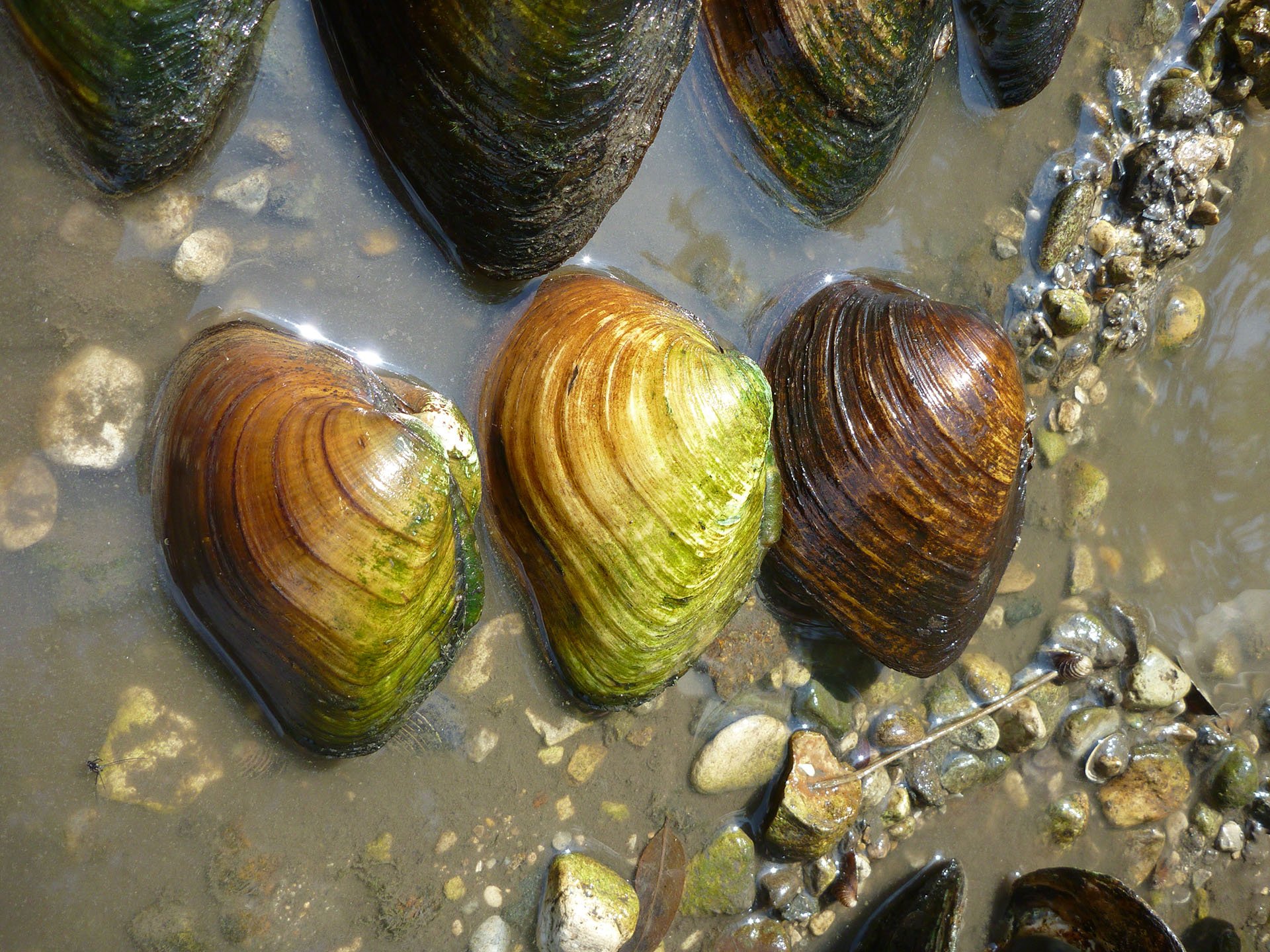
Freshwater Mussels
Relief for an endangered species
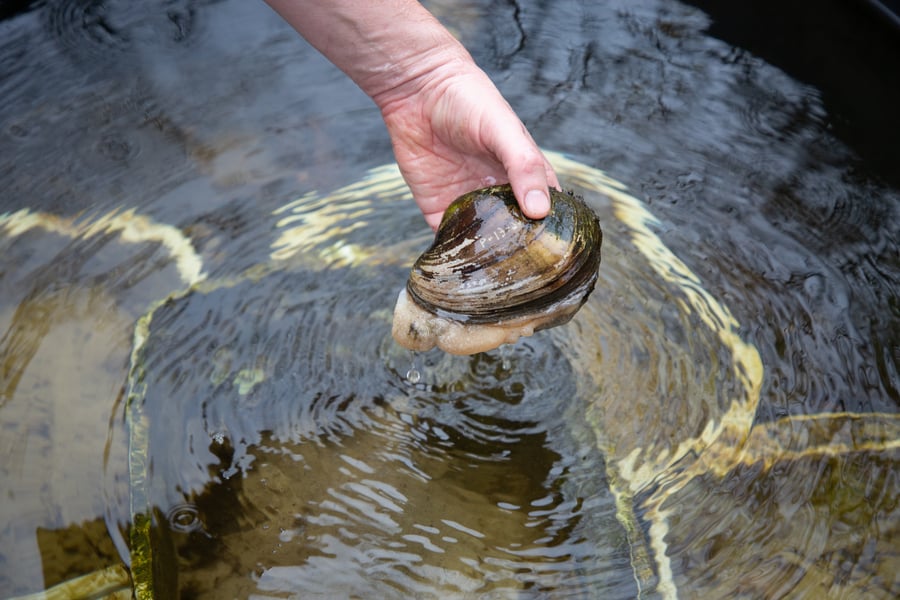
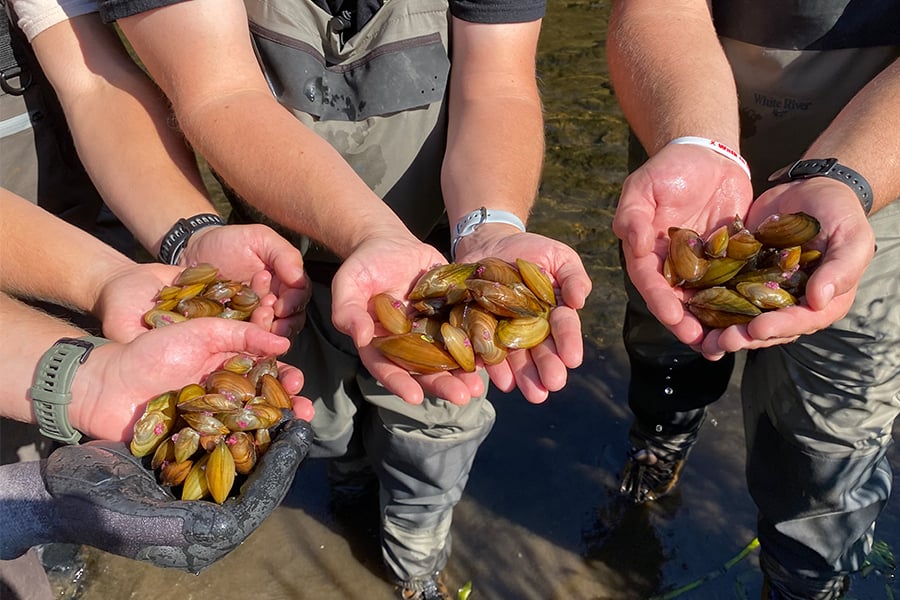
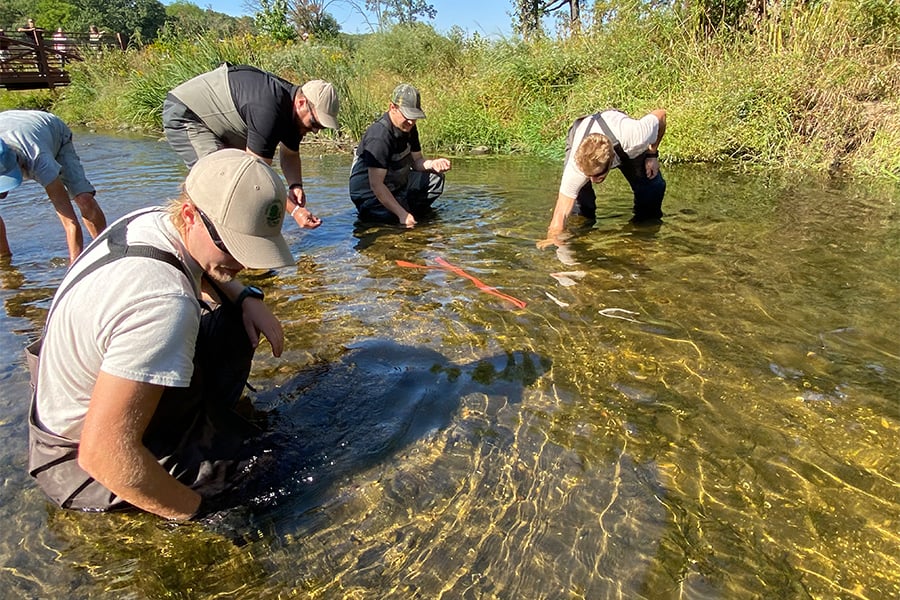
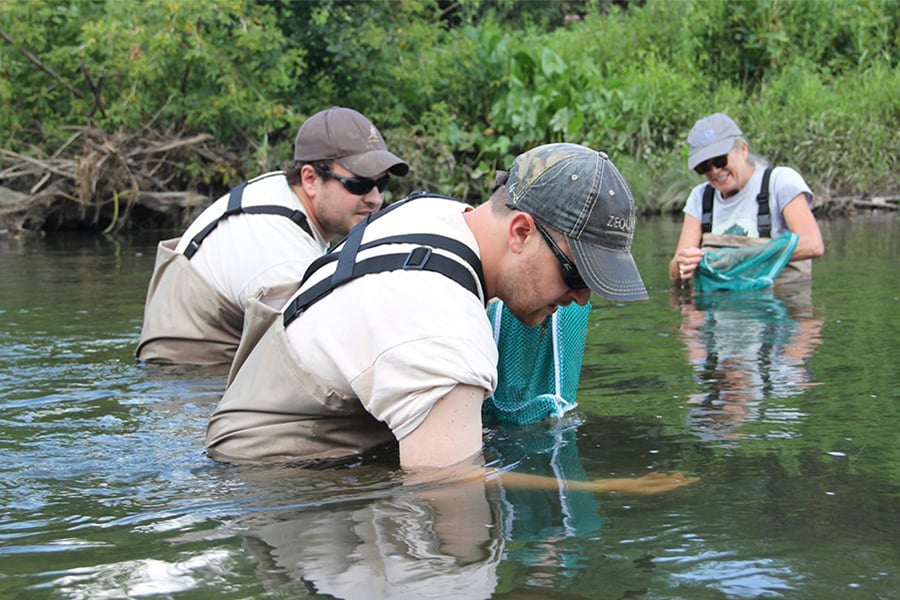
In spring 2017 the Forest Preserve District began releasing native freshwater mussels cultured and reared at its Urban Stream Research Center at Blackwell Forest Preserve into the West Branch DuPage River. Throughout the year it released a total of 24,377 mussels along 13 miles of the waterway.
Release efforts came about after extensive efforts with the U.S. Environmental Protection Agency and DuPage County Stormwater Management to improve conditions in and along the river by creating in-stream habitat for aquatic animals, combating erosion, and improving the waterway’s ability to store and handle floodwater.
True to its aquatic conservation mission, the District has led efforts to augment native freshwater mussel populations in DuPage waterways to improve water quality. Despite their size, mussels provide enormous benefits because they take in large amounts of water when they feed. In the process, they filter out bacteria, algae, detritus and many other microorganisms before passing clean water back into the river. Just one adult can filter up to 18 gallons of water in one day, and because many mussels like to live in groups, together they can filter enough water to lower overall water pollution levels.
District staff raise and monitor freshwater mussels
Habitat Loss & Other Threats
Freshwater mussels comprise the most imperiled group of wildlife in North America. At one time, 80 species made their home in Illinois. Today 17 species are extinct, and 23 are listed as endangered, threatened or of special concern at the federal or state level. Man-made changes to rivers have damaged the sand-gravel habitats mussels prefer, ammonia and other contaminants threaten young mussels, and invasive species such as zebra mussels have reduced native populations.
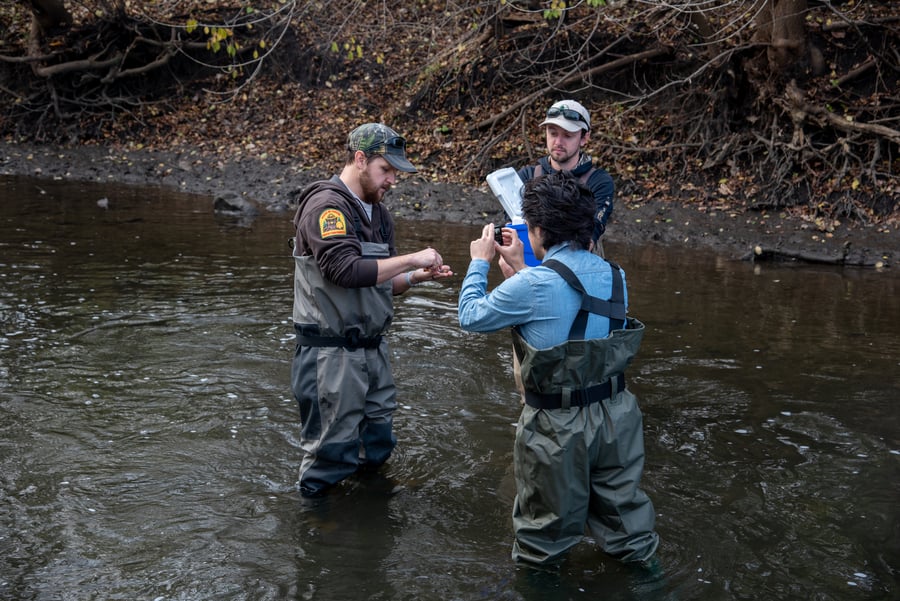
On set during the filming of Mussel Matters
Urban Stream Research Center
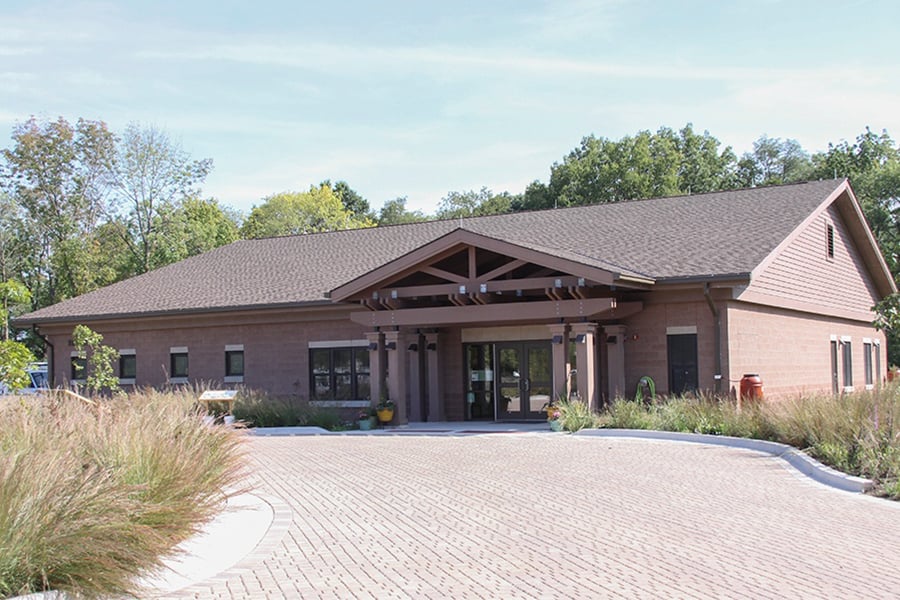
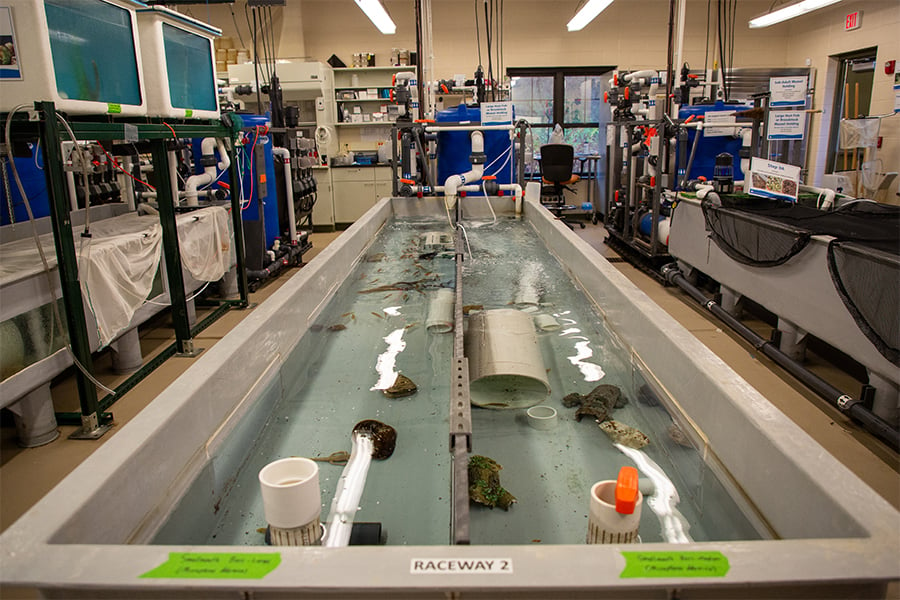
The Urban Stream Research Center (USRC) serves as the Forest Preserve District’s facility for aquatic conservation programs and is the only facility of its kind in Illinois. Located where Springbrook Creek enters the West Branch DuPage River in Blackwell Forest Preserve, the building opened in 2012 and was funded by a grant from the National Oceanic and Atmospheric Administration (NOAA). It is the result of a partnership between DuPage County Stormwater Management and the Forest Preserve District.
The center’s main purpose is to augment common native freshwater mussels that were historically more abundant and diverse within the Des Plaines River Basin.
As part of the Aquatic Species Recovery Program (ASRP), native freshwater mussels, which are the most imperiled and vulnerable species in the country, are propagated, reared and released into known historical watersheds, where they are then monitored. Since the center's opening, over 30,000 native freshwater mussels have been propagated at the center and released in local rivers and streams.
The Forest Preserve District manages over 1,100 acres of aquatic habitats, including lakes, streams and rivers. The center also serves as a field research station, partnering with local conservation groups, universities and other institutions on collaborative and applied research in aquatic conservation that seeks solutions to problems facing urban rivers and streams. The District’s Aquatic Monitoring and Research Program surveys the aquatic species and character of rivers and streams on District property.
In addition to the aquatic species recovery efforts and other programs, the center also supports the rearing of federally endangered Hine’s emerald dragonfly larvae and Great Plains mudbugs.
The center is closed to the public, but does offer open houses on select dates. For other information, call 630-206-9620.
Exterior of the urban stream research center
Interior lab operations
species release