
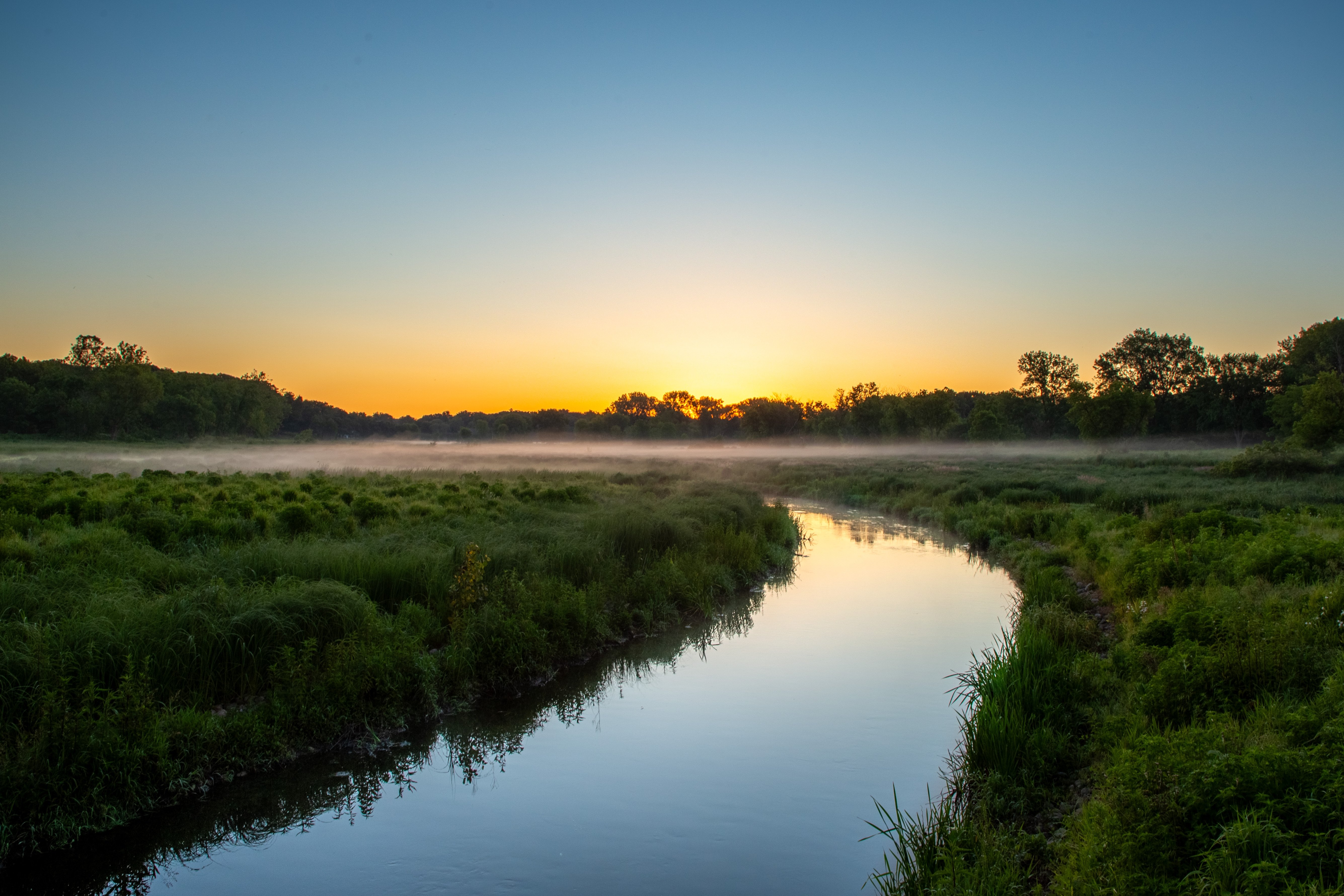
With America’s semiquincentennial upon us, it seems the perfect time to look back on the past 250 years of the land that is today’s Forest Preserve District of DuPage County. This blog, the third in a series examining the people, land, and wildlife of the area, will focus on the period between 1915 and 2000, an era of expansion for both the Forest Preserve District and the county’s population.
In 1915 the voters of DuPage County approved the organization of the Forest Preserve District of DuPage County and forest preserve commissioners began acquiring land to protect the region’s forests, waterways, and wildlife. In 1917 the District purchased York Woods, which remains the oldest preserve in the county.
In 1934 Robert McKee became the first superintendent of the District. He partnered with the Civilian Conservation Corps and the Works Progress Administration to plant trees and build facilities in the preserves. As a tree surgeon and environmentalist, McKee pushed for more land acquisition and led a tree-planting program to fight Dutch elm disease.
As the region’s population grew exponentially and a greater need to protect the environment arose, the District continued to acquire lands in an attempt to connect a beltway of forests and waterways through the county. Some landowners donated their land, and others discounted sales. The District also acquired sites that previously hosted military bases and Scout camps, running their total land holdings to 1,400 acres by 1952. Meanwhile, the county’s population skyrocketed from 42,120 residents in 1920 to 154,599 1950, according to U.S. Census data.
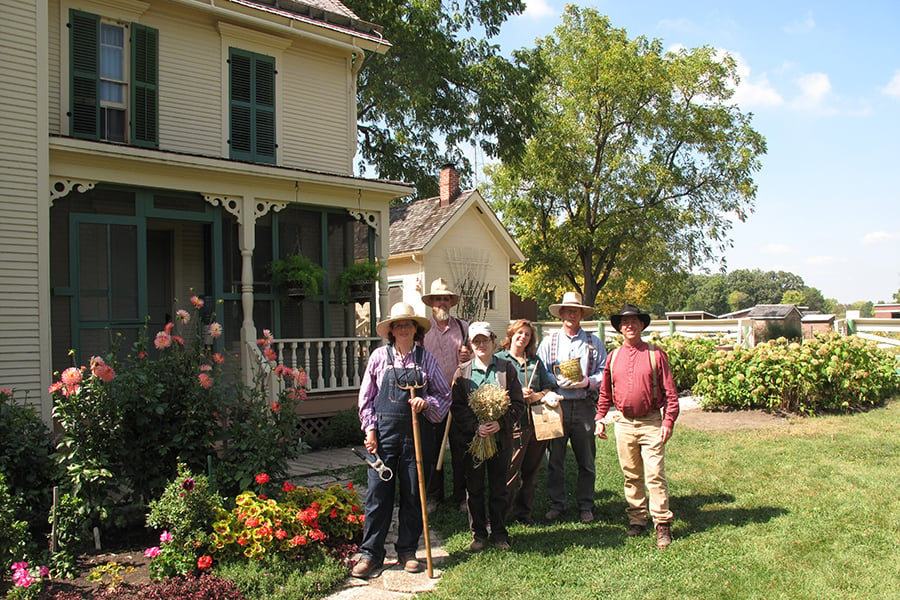
In 1969 the District purchased Kline Creek Farm, which now operates as an 1890s living history farm.
Commissioners adopted strict rules and laws to maintain the health of the water and forests in the preserves. Highways were barred from bisecting forest preserves unless absolutely necessary. Crews reclaimed rivers and dug lagoons and small lakes to assist with flood control and stream purification and to help battle pollution.
While well intentioned, some of the dams built in the 1940s and 1950s proved to be less helpful than originally thought. They hindered the movement of fish, decreased dissolved oxygen in the water, and concentrated contaminants into small pools of shallow water. Urban sprawl also led to the destruction of wetlands while agricultural runoff and municipal wastewater discharge polluted the DuPage River and its tributaries. This led to the extinction of 13 mussel species. By the end of the century only five common types of mussels remained in the county. But in 1997 DuPage County residents passed a $75 million referendum to acquire land containing wetlands, waterways, and flood control areas to restore crucial connections of the DuPage River basin. This project is ongoing and has been considered a success story.
Another example of counteracting waste involves some of the District’s most recognizable landforms. In the mid-20th century, landfills were erected at Blackwell, Mallard Lake, and Greene Valley, and were retired before the end of the century. Mount Hoy in Blackwell now serves as a popular snow tubing hill. The old landfill at Mallard Lake rose to 982 feet above sea level, the highest point in DuPage County and now produces electricity from its leachate gas. And what was once the Greene Valley landfill now serves as a popular observation area.
A longstanding community favorite, the Willowbrook Wildlife Haven opened in 1959 with a fox, a fawn, a rabbit, and sparrows in its care. Today, its replacement, the DuPage Wildlife Conservation Center treats 11,000 animals annually and features a visitor observation center, where wildlife fans can watch staff perform surgeries and learn how to coexist with the region’s flora and fauna.
Over its first 85 years the Forest Preserve District has expanded and improved its environmental management practices to protect natural landscapes to increase residents' quality of life. During this period, the District acquired properties that are now some of the most popular preserves in the county. An institutional commitment to sustainability helped establish environmentally responsible policies, while long-standing support from DuPage County residents set the stage for the District’s success in the new millennium.
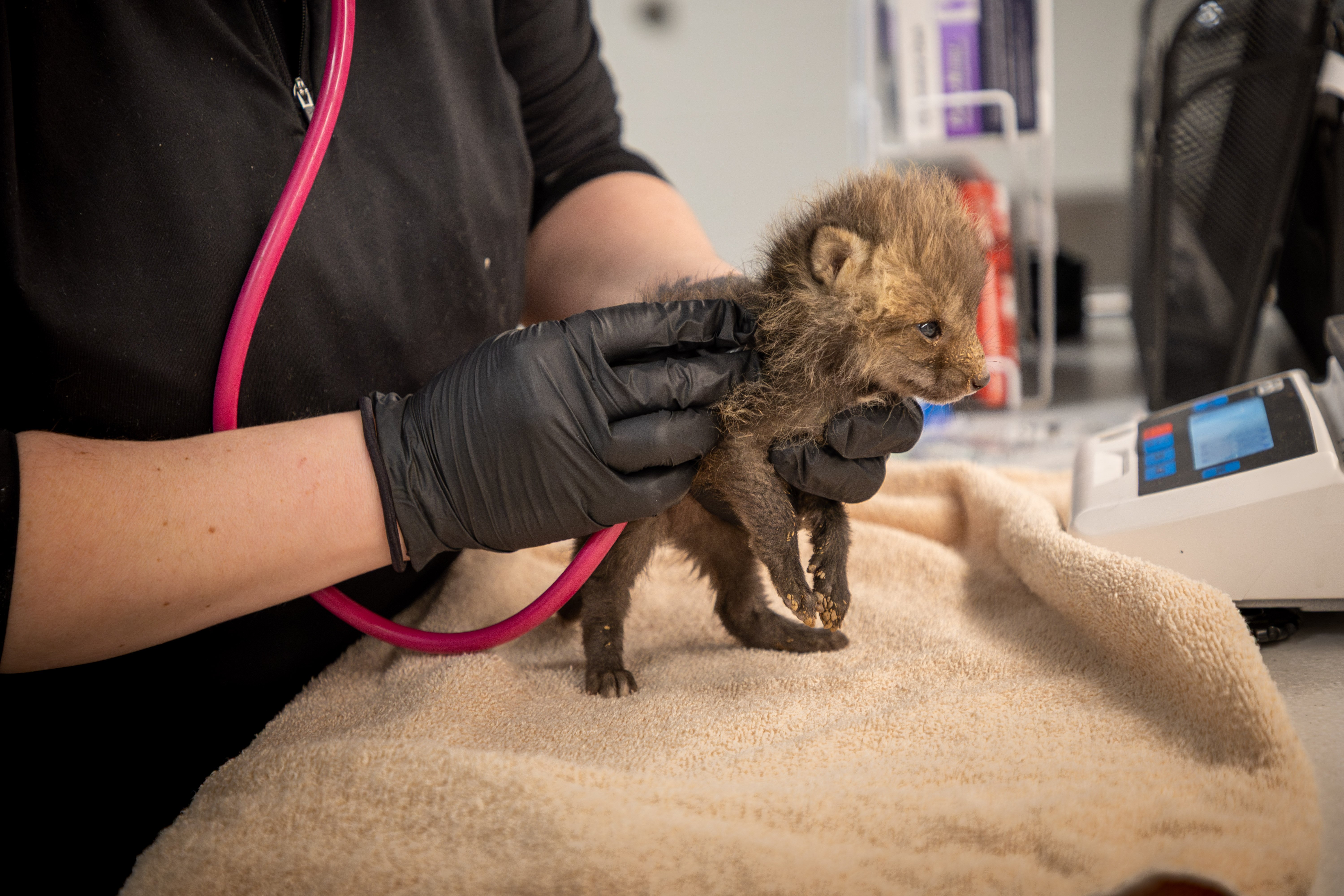
Foxes and other native animals have been treated at a version of the District's wildlife rehabilitation center since 1959.
This is the third installment of a four-part blog series detailing the people, land, and wildlife of DuPage County during America's first 250 years. Click the links below to access the other blogs.
Part 1: A Natural Landscape, 1776-1832