
With America’s semiquincentennial upon us, it seems the perfect time to look back on the past 250 years of the land that is today’s Forest Preserve District of DuPage County. This blog, the fourth in a series examining the people, land, and wildlife of the area, will focus on the period between 2000 and 2026, a time of forward-looking restoration and enhancement.
In the first quarter of the century the District continued to create opportunities for residents to enjoy the outdoors while it maintained the legacy and natural landscape of DuPage County through sustainability projects, species rehabilitation, and infrastructure upgrades. It continued to incrementally acquire land, increasing its total size to 26,000 acres, and to help native plants and animals in need that populate the preserves.
Freshwater mussels, which filter pollution from the region’s streams, are some of the most imperiled species on the planet. At the District’s Urban Stream Research Center, which opened at Blackwell in 2012, staff rear these valuable aquatic animals and have placed more than 38,000 into local waterways. Ecologists also raise endangered Blanding’s turtles and Hine’s emerald dragonflies at the center.
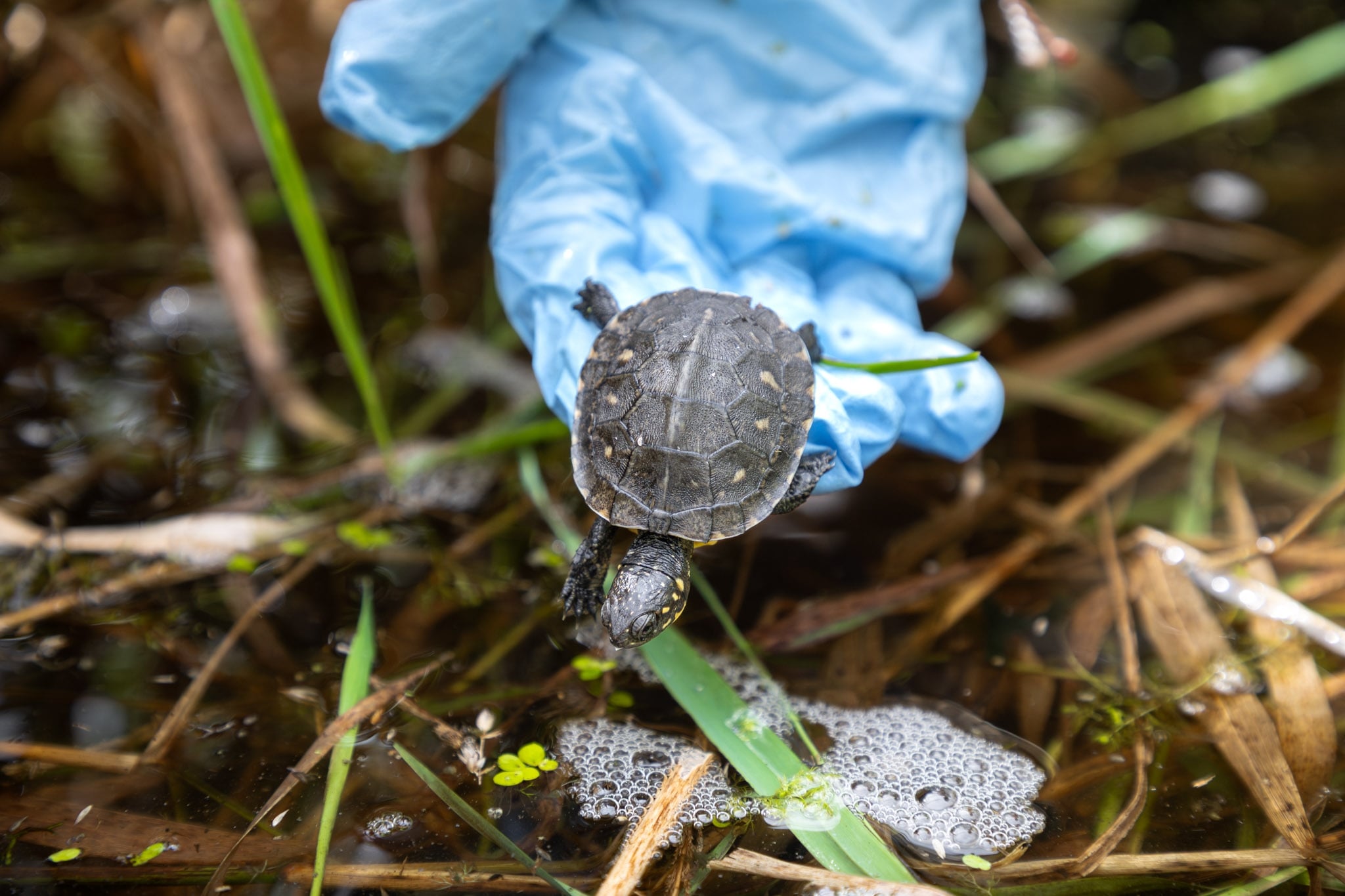
District staff and volunteers work year round to save the endangered Blanding's turtle.
Sometimes, wild animals are injured or stranded and need human intervention to survive, and the District’s DuPage Wildlife Conservation Center is there to help. What opened in 1959 as the Willowbrook Wildlife Haven is today a state-of-the-art, net-zero-designed facility. Eagles with injured wings, coyotes with hurt legs, and stranded baby squirrels are cared for at the center, where visitors can watch surgeries and learn how to coexist with native wildlife.
Just as animals sometimes need assistance, so do plants. European buckthorn, for instance, can outcompete native flora and strangle a forest floor. To combat buckthorn and other invasive plants, staff actively cut, mow, and treat prairies, wetlands, and woodlands with prescribed burns, relying on a database developed at the start of the century and new technology to manage the burn program.
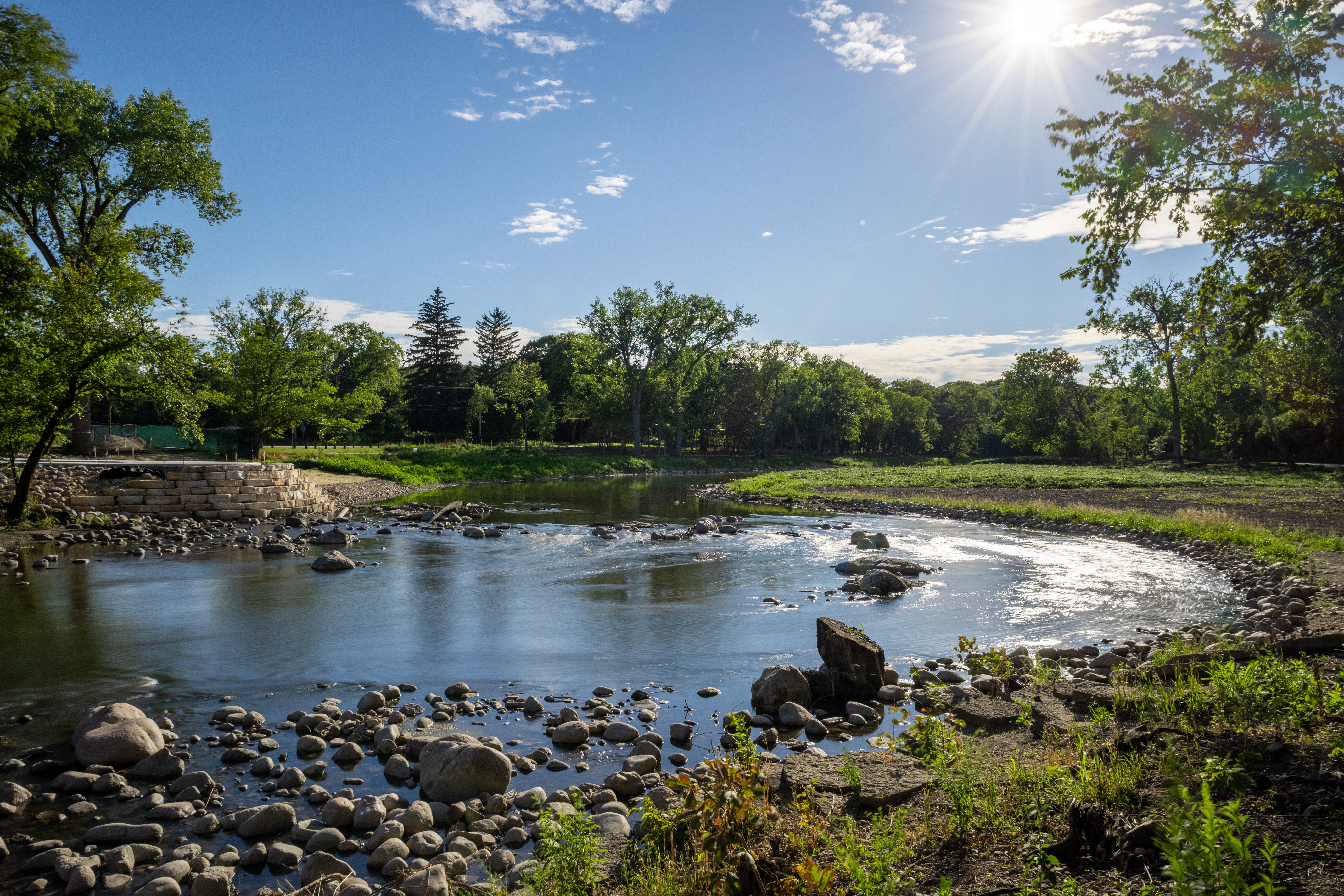
The region’s waterways have also received enhancements since Y2K. In 2023 the DuPage River Salt Creek Workgroup removed a dam on Salt Creek at Fullersburg Woods, which allowed the creek to again flow freely from Fullersburg Woods to its mouth at the Des Plaines River. District staff further restored the area by planting thousands of trees and shrubs along the creek’s banks, and crews added riffles and pools to the creek bottom to enhance fish spawning and living quarters. Staff maintain many other streams, lakes, and ponds throughout the county to ensure the waters are healthy for fish, waterfowl, and other animals while providing exceptional fishing opportunities for residents.
To offer the best access to these natural areas, Forest Preserve District crews maintain 175 miles of trails for hiking, jogging, biking, and exploring nature. Almost annually the District repairs or upgrades a bridge to further enhance visitor experiences.
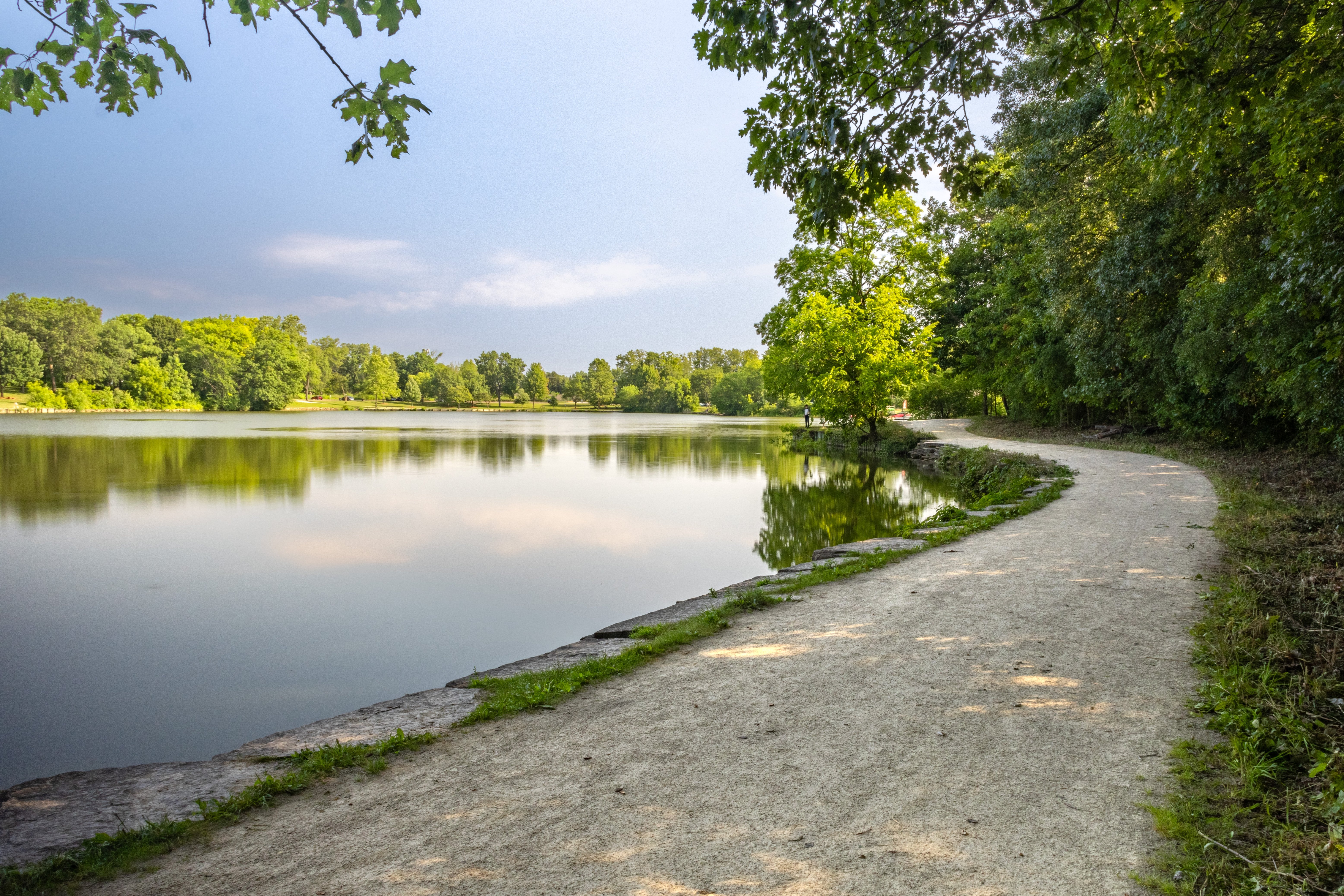
The District maintains 175 miles of trails that wind through 60 forest preserves.
This century the District has focused on making the preserves more accessible for all residents. It installed wheelchair-accessible fishing piers at Silver Lake in Blackwell and Mallard Lake, and in 2021 built ADA-accessible kayak and canoe launches at Silver and Herrick lakes. It now also loans out rugged wheelchairs at certain sites for easier trail exploration.
The District also maintains and preserves historical buildings, which it’s converted to education centers. Students can visit the Graue Mill and Museum on the bank of Salt Creek to see how millers ground corn in the 1800s. Across the county at Kline Creek Farm in West Chicago, visitors can learn how families operated farms in the 1890s and lend a hand planting the summer garden, harvesting corn, or cutting ice blocks from the lake. Although currently closed for renovations, Mayslake Peabody Estate will again provide an opportunity to walk the halls of a Tudor Revival-style mansion that functions as a gathering place for community events and programs.
During the past two decades, the District has increased its programming for residents of all ages. In 2012 it opened an archery range at Blackwell, where it hosts events for kids, adults, and families. In 2018 it reopened the renovated Preserve at Oak Meadows, now lauded as one of the top-ranked public courses in Illinois. The course also features the nation’s first 100% solar-powered golf cart fleet. Down the road in Wood Dale, the Maple Meadows Golf Preserve is being renovated to increase its playability while maintaining native habitat and natural areas. During the past 250 years DuPage County has morphed from an open landscape to a farming community to a part of the nation’s third-largest metropolitan area.
For the past 111 years, the Forest Preserve District of DuPage County has worked to protect and preserve the flora, fauna, and scenic beauty of the region for the education, pleasure, and recreation of its residents and will continue to do so for generations to come.
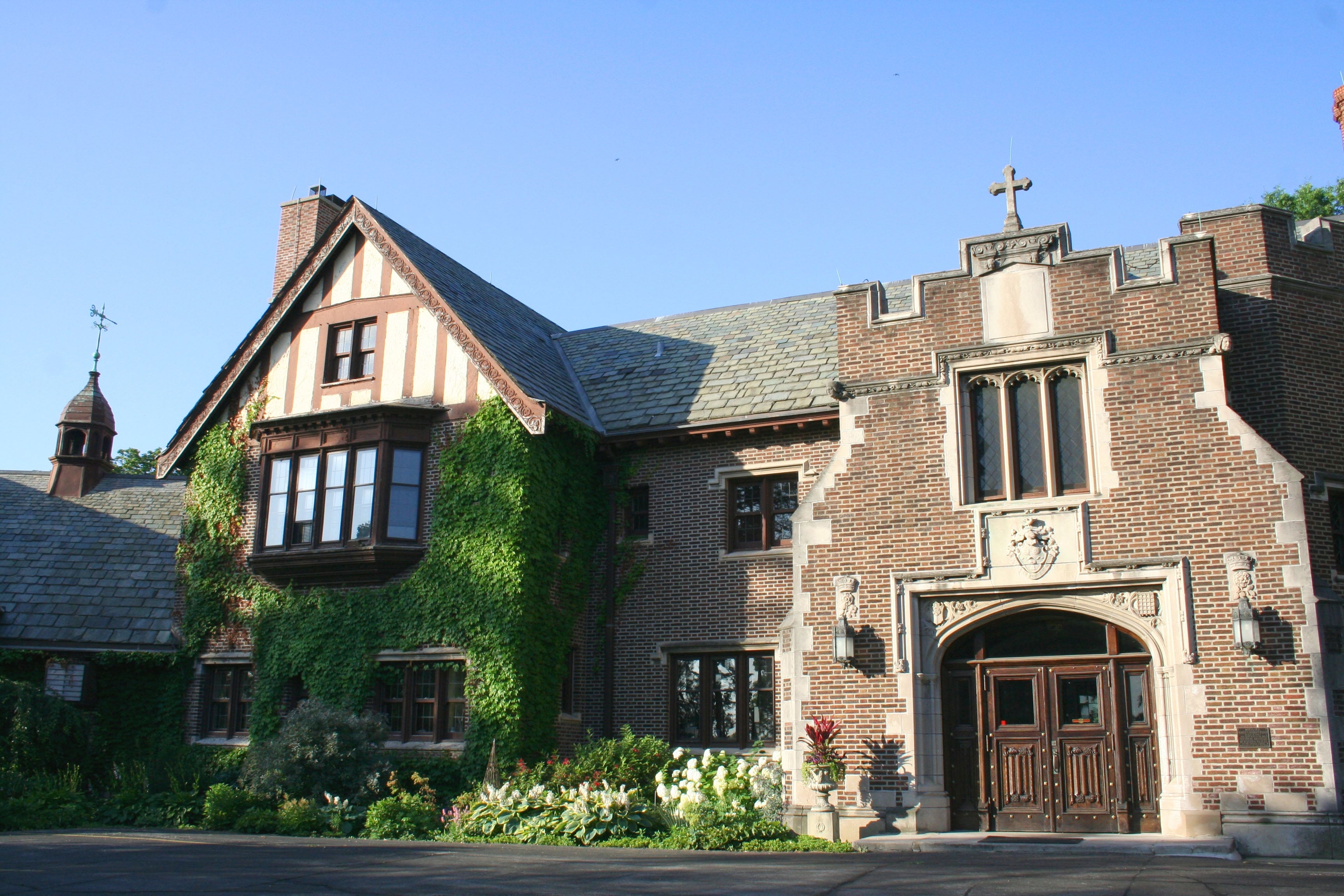
The District maintains a number of historic buildings that host educational programming for residents of all ages.
This is the fourth installment of a four-part blog series detailing the people, land, and wildlife of DuPage County during America's first 250 years. Click the links below to access the other blogs.
Part 1: A Natural Landscape, 1776-1832