Ah, summer in DuPage County. Time to get reacquainted with the incredible array of plants and wildlife that call the forest preserves home. Sure, the thought of a few of them might make your skin itch or crawl, but learning what makes them do what they do — and what we can do to avoid them — can alleviate a lot of the uneasiness. So take a deep breath and read on.
Poison Ivy
Poison ivy can grow on the ground or up a tree, but it always grows in leaflets of three. Other plants have similar leaves, but unless you’re a pro plant identifier, the rhyme “leaves of three, let them be” is good to follow if you want to avoid poison ivy’s nasty rash. The culprit behind the rash is an invisible oil called “urushiol,” which spreads once it hits the skin. The rash isn’t contagious, but urushiol on clothes or pets can easily rub off on people.
If you come in contact with poison ivy, wash your skin with dish soap as soon as you can to break down the oils. Soaps specifically made to remove urushiol are sold at drug stores, too. Believe it or not, if you were a woodpecker, warbler, or deer, you wouldn’t mind the plant. Urushiol has no ill effects on most wild animals, who readily eat the ivy’s leaves, stems, and berries.
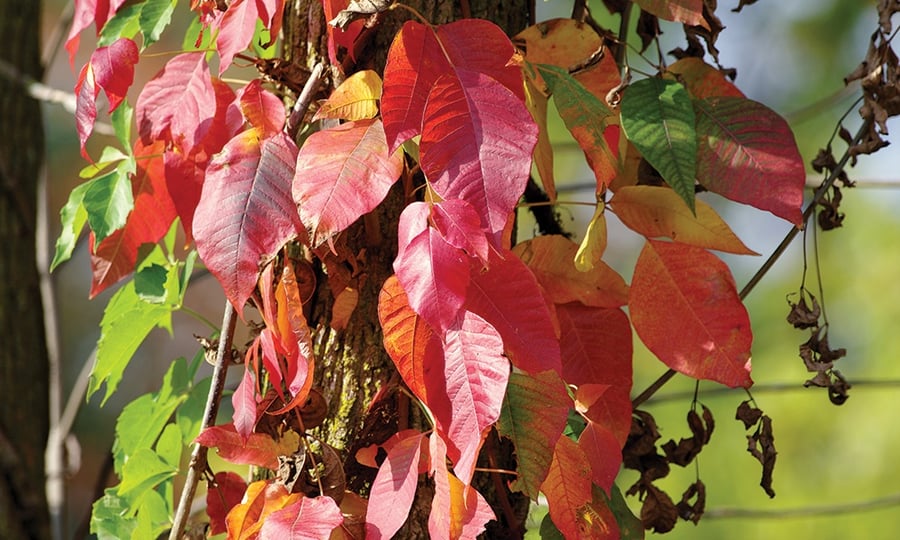
Poison ivy becomes easier to spot in fall when its “leaves of three” turn red. Photo courtesy Anna Hesser.
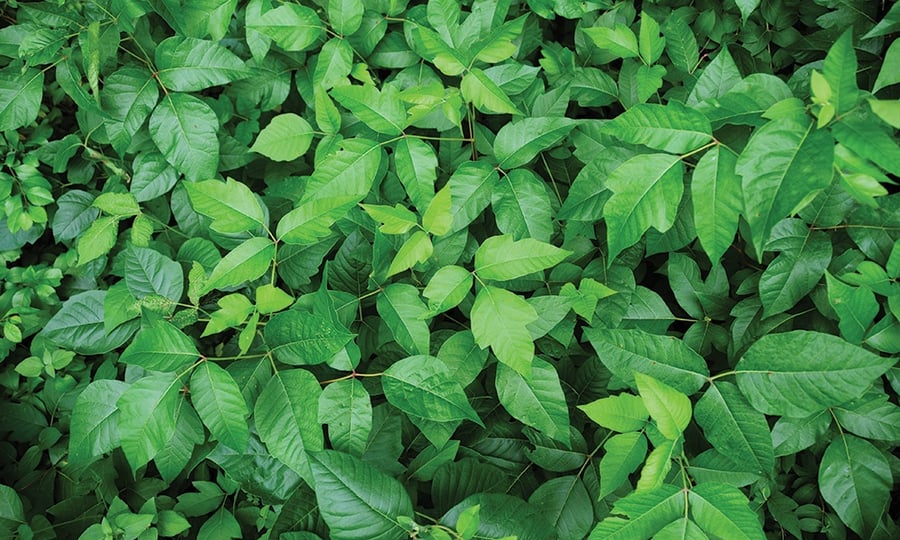
Poison ivy is green during the summer. Photo courtesy Mike Umo.
Ticks
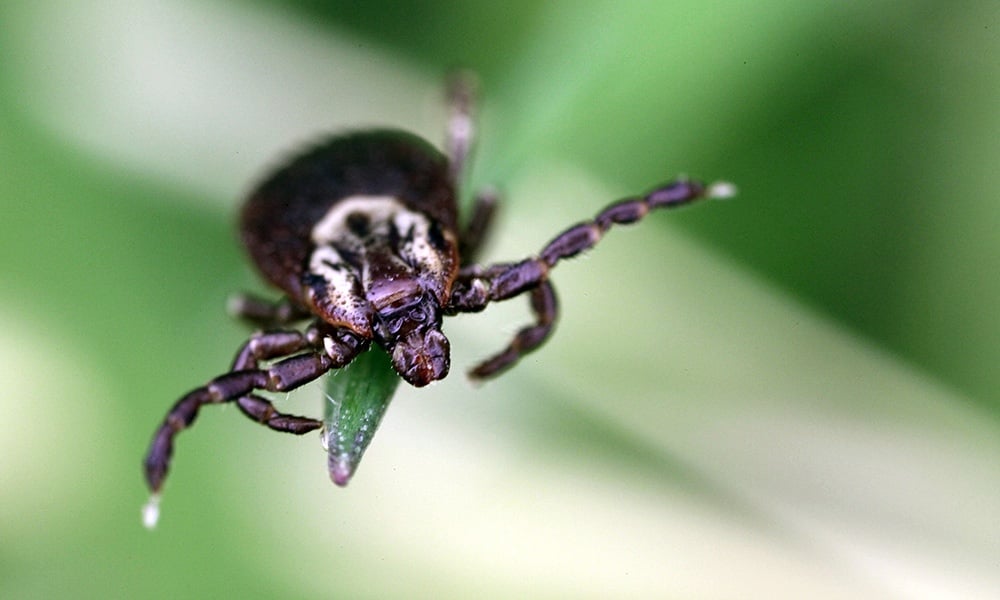
It may be hard to imagine a benefit to an eight-legged bloodsucker capable of carrying disease, but ticks do fill an important niche. (They’ve been around long enough to make dinosaurs miserable, so they must be doing something right.) Just like owls, coyotes, and hawks, ticks can help keep wildlife populations strong.
They’re not a big menu item for other creatures, but ticks do their part by culling individual animals too weak to fight disease, keeping them out of the reproductive pool. (Incidentally, scientists are looking at the anti-clotting features of tick saliva for ways to treat heart attacks and strokes in humans.) Luckily, we can avoid tick bites by wearing light-colored long-sleeved clothes, using products containing DEET as directed, and checking for ticks after spending time in the preserves, especially in spring and fall.
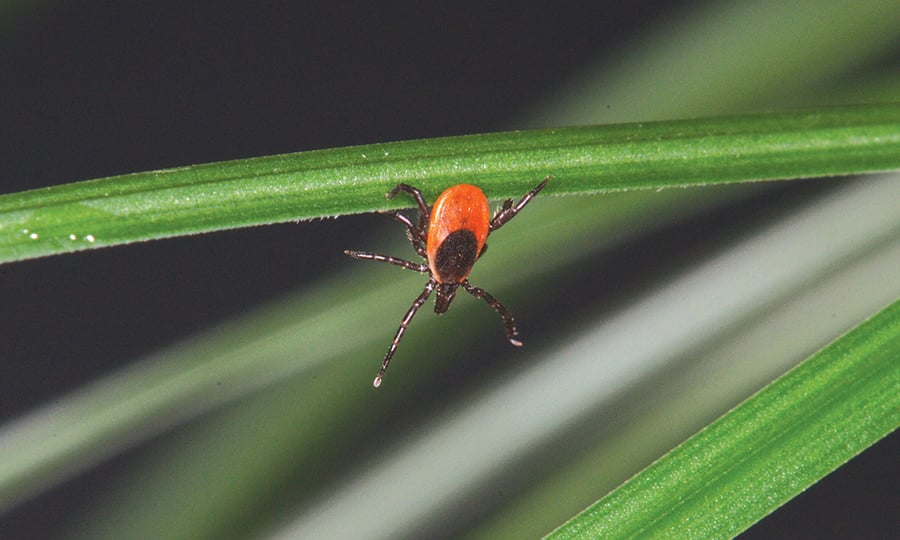
Tick bites can be unpleasant, but research on protein in their saliva may someday help treat heart attacks and strokes in people. Photo courtesy James L. Occi.
Millipedes and Centipedes
Turn over a log or rock, and you’ll likely spot one of these multilegged crawlers. They’re both descendants of some of the first creatures to live on land, but they have their differences, and it’s good to know what they are. Millipedes are round with two pairs of legs per segment. They’re also slow-moving and docile; pick one up and it simply rolls into a spiral.
Because they’re “detritivores,” which means they eat rotting plants and fungi, they’re big players in a habitat’s decomposition cycle.
Centipedes are flat with one pair of feathery legs per segment and are helpful predators that keep populations of spiders and insects in check. They attack using claws behind their heads called “maxillipeds,” which are connected to poison glands. They avoid humans when they can, but they can deliver bee-like stings, so it’s best to leave these hunters alone.
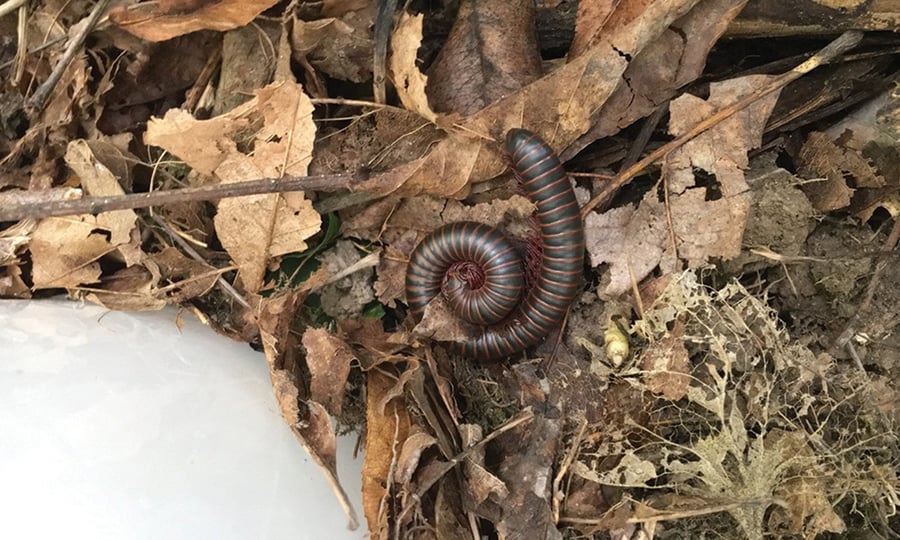
Often mistaken for earthworms, millipedes are big players in plant decomposition. Photo courtesy Leslie Graus.
Chiggers
If you’ve never heard of chiggers, you’ve likely never had chigger bites. Chiggers are “trombiculidae,” pinhead-sized mites in the soil that eat plants and smaller creatures and form one of the building blocks of the food web. As adults they’re harmless to humans, but as juveniles they can be, well, irritating.
Microscopic chigger larvae hang out in moist grassy areas like prairies or picnic spots, waiting for something warmblooded. They latch onto people and animals using claws that punch tiny holes in the skin. They then inject a kind of super saliva that liquefies the cells, which they suck up for food. (They don’t burrow in the skin.) The saliva causes the spot to itch — and itch it will for a couple of weeks. The good news, though, is chiggers don’t drink blood or spread disease and you can avoid them just as you would ticks.
Wood Nettle
If you come in contact with this common summer perennial, it’s an experience you’ll remember. Wood nettle may appear harmless, but its stems are covered in small hollow hairs that inject irritants into the skin like tiny hypodermic needles. For wildlife that can avoid the hairs, the plant offers protective cover, and for the caterpillars of some butterflies and moths, it’s an important source of food.
For humans, though, wood nettle produces a burning, itching inflammation that can last several minutes, but over-the-counter steroid-based ointments like hydrocortisone creams usually offer relief. To stay sting-free in the forest preserves, stay on marked trails and footpaths.
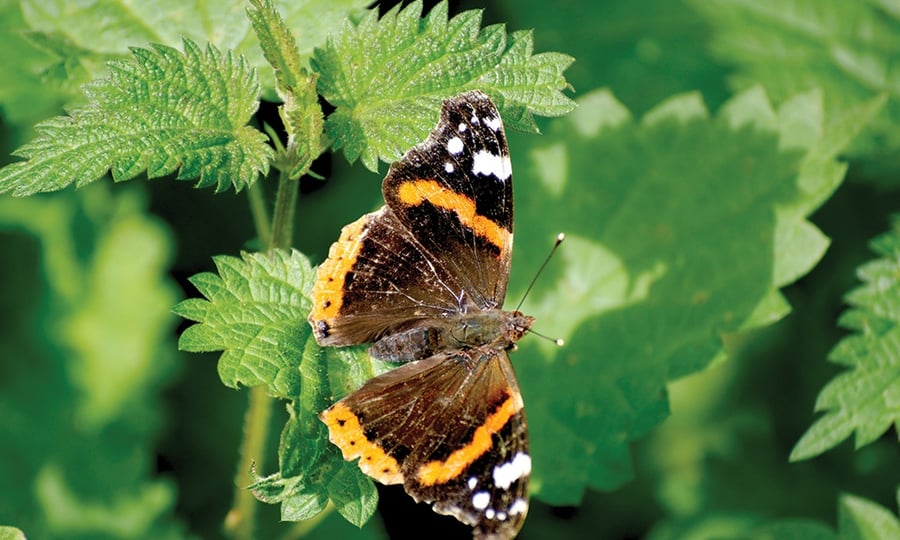
Red admirals aren’t bothered by wood nettle’s stinging hairs. In fact, they rely on the plant to feed their caterpillars. Photo courtesy Andy Rogers.
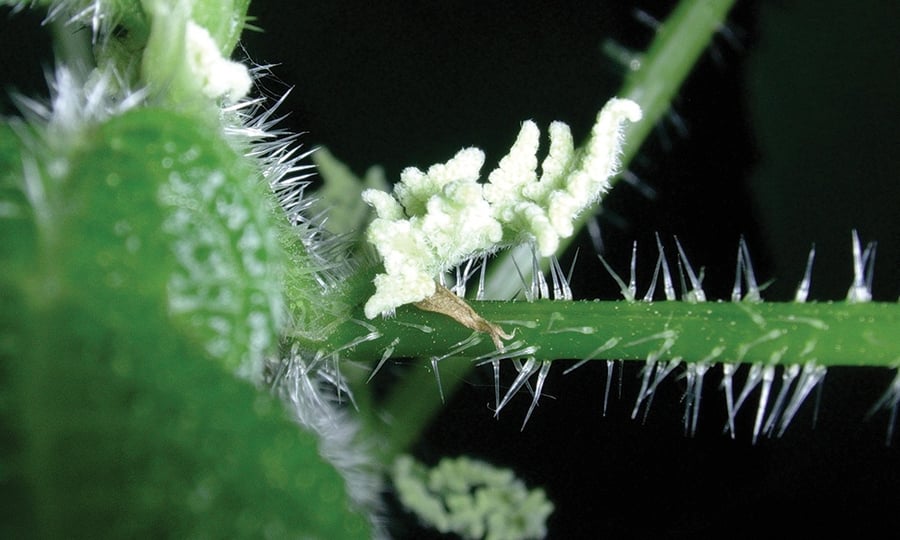
The stinging hairs on the wood nettle plant. Photo courtesy naturalist39.
Wild Parsnip
In June and throughout the summer, hikers, bicyclists, canoeists, and gardeners should be on the lookout for wild parsnip. Coming in contact with wild parsnip can cause a chemical burn and possibly scar you. The plant’s chemicals actually cause a sunburn that, when energized by ultraviolet light, destroy cells and skin tissue.
In mild cases, the skin simply reddens. But if skin has been extensively exposed to the plant and then to sunlight, it may blister, leaving a purplish discoloration that may last a long time. All parts of the plant are noxious, but the seed heads seems to cause a greater burn. The plant is thigh-high or taller and looks much like Queen Anne’s lace, but the flowers are yellowish-green instead of white.
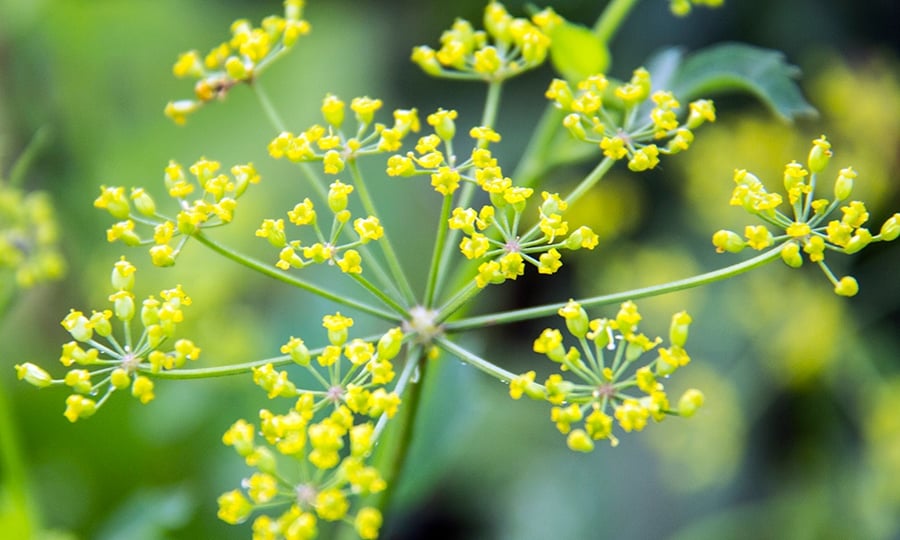
The flower of wild parsnip is bright yellow and similar in shape to Queen Anne's lace.
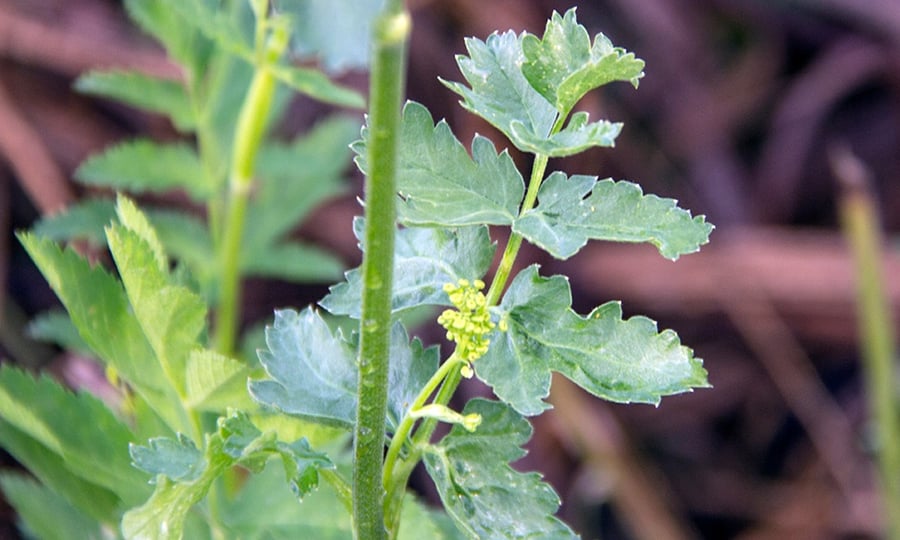
Wild parsnip is very similar in appearance to golden alexander, but it blooms later and is larger than golden alexander.
Spiders
These arachnids may be at the top of the “ick” list for many people, but of the 60 common kinds that call northeastern Illinois home, most are essentially harmless to humans. (Northern black widows do live in the region but are extremely rare.) Spiders as a whole are actually helpful pest controllers that eat flies, centipedes, ants, and other arthropods.
A few spiders have fangs that can break human skin, and some can inject venom into a bite, but the bites are usually mild. More importantly, they’re not common. Studies show that 80 percent of reported “spider bites” are from other creatures or conditions, such as dry skin. So the next time you’re in a forest preserve and come across something that gives you pause, remember it’s there for a good reason (and then keep moving on).
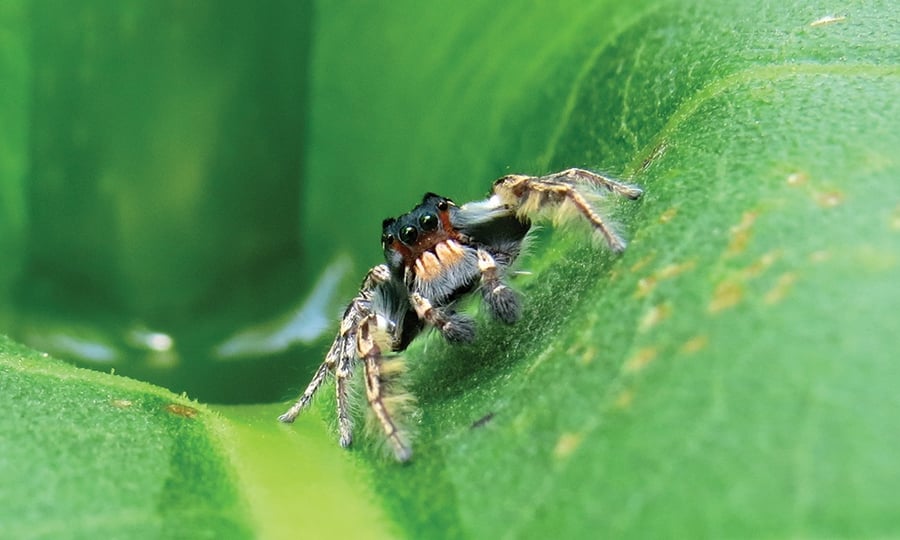
Like many spiders, a jumping spider’s fangs cannot penetrate skin, but its schnauzer-like “mustache” can make it look quite cute.
Forest Preserve District of DuPage County