
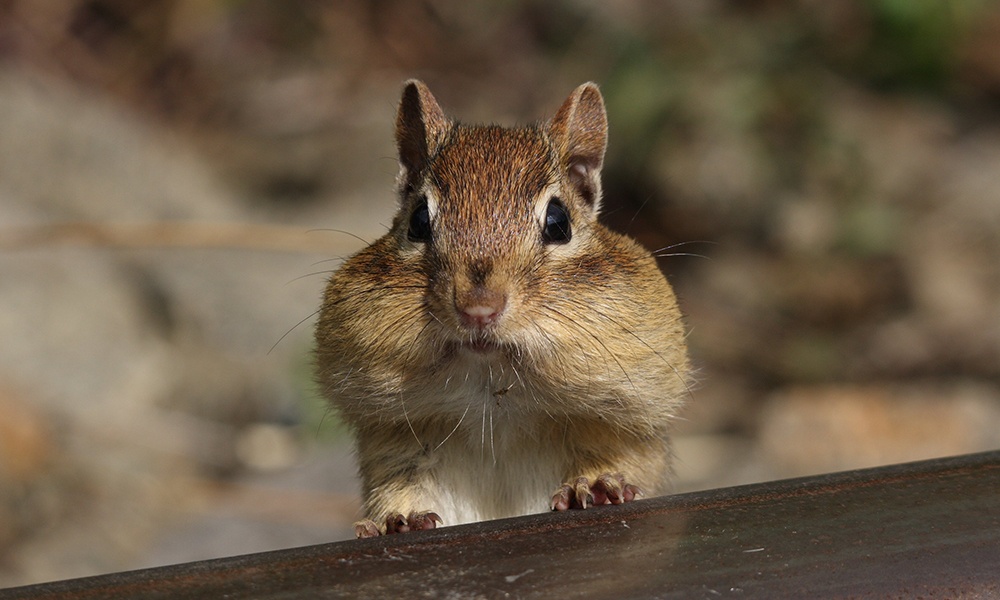
While many small mammals and bats are putting on fat in fall to prepare for a long, cold winter hibernation, many are not. For the most part, our common small mammals — the eastern chipmunk, white-footed mouse and meadow vole — remain active during the winter with periods of torpor, a short period of inactivity but not true hibernation.
White-footed mice are not true hibernators and do not put on fat for winter. They continue to eat and are active all winter with some short periods of torpor when food is in short supply or temperatures are low. While they are solitary for most of the year, they may form small groups in the same nest to conserve heat in the winter.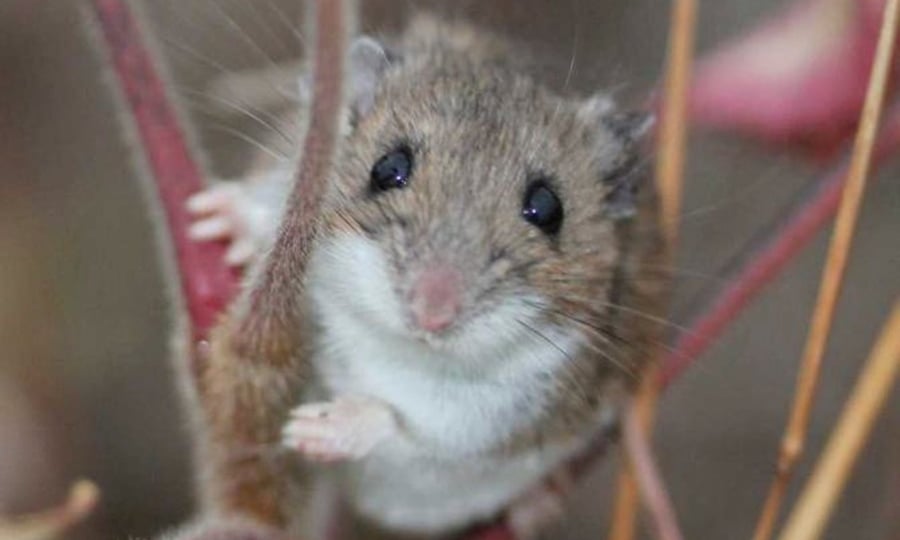
A white-footed mouse. Photo courtesy Peter Chen.
Meadow voles also remain active all winter and eat continuously through all seasons. Their trails in the grass are often revealed as the snow melts away in spring. They eat grass, seeds, and roots in winter.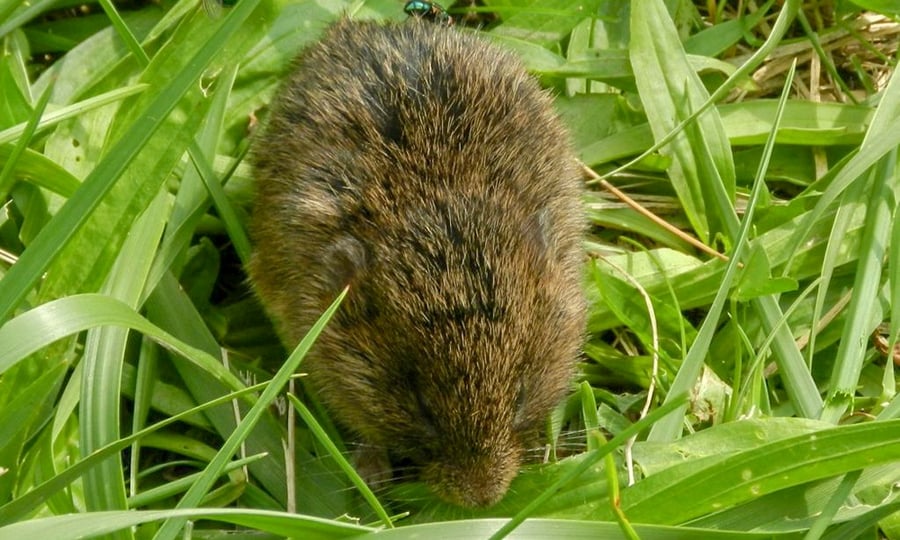
A meadow vole. Photo courtesy Linda Padera.
Eastern chipmunks prepare for the winter by hoarding food during the summer and fall in their dens for consumption throughout the winter. Like white-footed mice, they do not hibernate but enter torpor when temperatures drop. On mild winter days, they can be seen above ground.
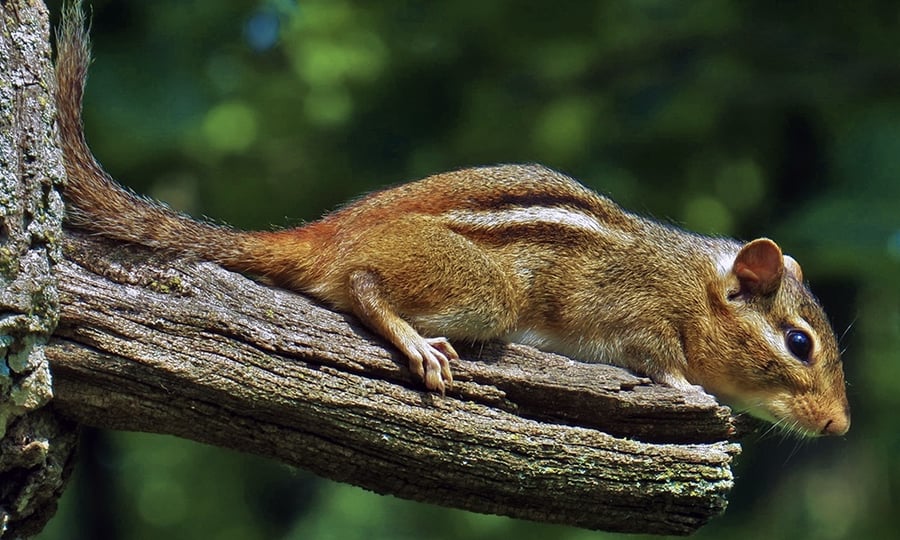
An eastern chipmunk.
Forest Preserve District of DuPage County