Skip to navigation Skip to content

Conservationist Summer 2026

From the President

Headshot of a brunette man in a suit and tie.

Summer is one of the best times to enjoy the forest preserves. The trails are lively, the prairies are blooming, the lakes are busy with anglers and paddlers, and families are spending more time outdoors making the most of long days and warm evenings.

Now through Labor Day the Forest Preserve District is inviting you to take that outdoor time one step further and “Unplug to Recharge” by setting aside your screens for at least 30 minutes a day and spending that time walking a trail, riding a bike, fishing, watching wildlife, journaling, or simply sitting quietly and noticing the world around you. In a world where so much of our attention is pulled toward screens, notifications, and constant information, our preserves offer something increasingly valuable: space to breathe, reflect, move, observe, and recharge.

Take the pledge by picking up an “Unplug to Recharge” cinch backpack, water bottle sticker, and challenge tracker sheet at select locations. Then, throughout the summer check out our  biweekly emails, blog posts, and catchy videos, and submit your pics to our photo contest. You can find all the details at dupageforest.org/recharge.

This issue also arrives at an important time for the District as we welcome Anamari Dorgan as our new executive director. Anamari has served the District as director of Community Engagement since 2017, demonstrating steady leadership, strong communication skills, and a clear commitment to serving the residents of DuPage. Her experience, dedication, and understanding of our mission will help support the continued advancement of the board’s priorities and the important work of this organization.

Whether you take the “Unplug to Recharge” pledge, join a program, visit a favorite preserve, or discover a new one, I hope you find time this summer to enjoy all the preserves have to offer!

Daniel Hebreard
President, Forest Preserve District of DuPage County
News & Notes

Cenacle Trail Reopens at Blackwell

In May the Forest Preserve District reopened the Cenacle Trail in southwest Blackwell, which was closed as part of restoration work along Spring Brook, a tributary of the West Branch DuPage River.

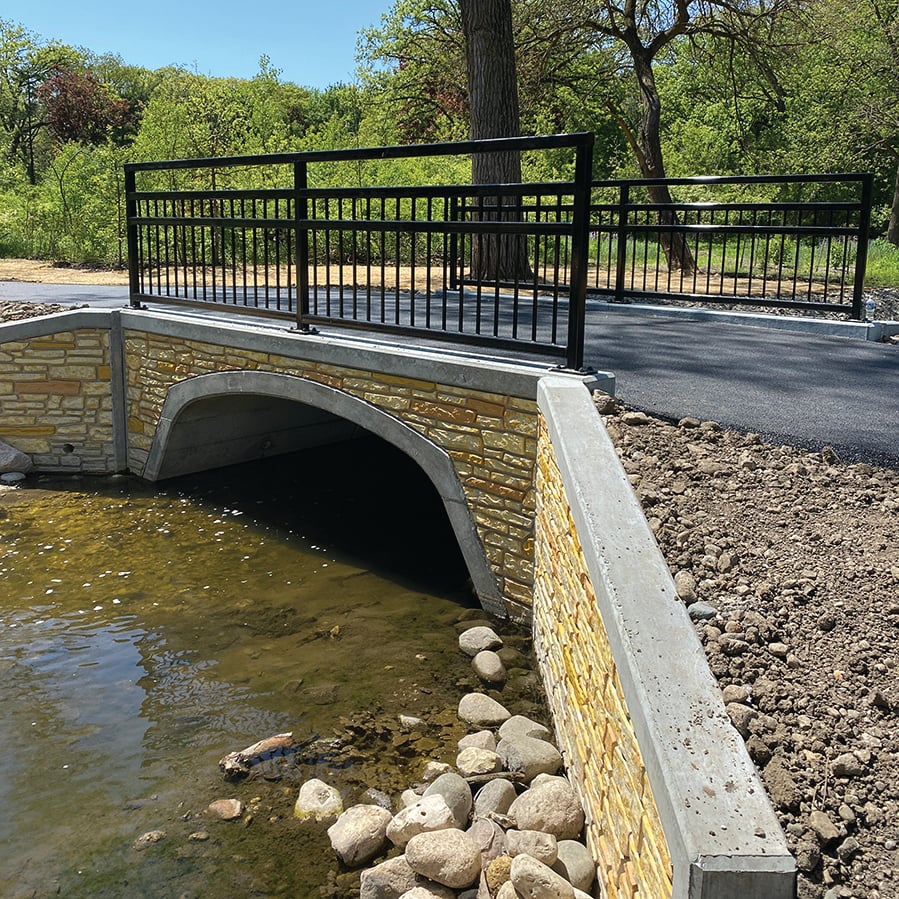
The project repaired and stabilized 3,600 feet of eroded streambank; added cobble and boulders to improve habitat for fish, mussels, and aquatic insects; and removed invasive plants from the floodplain and stream corridor. It also replaced a short pedestrian bridge to improve the flow of water below. (This bridge is separate from Blackwell’s 100-year-old Cenacle Bridge, which is scheduled to be replaced in 2027.)

The project was funded by the Illinois Tollway Authority.

The restoration of Spring Brook began at St. James Farm in 2015 and concluded with this final phase at Blackwell, fully restoring 2.5 miles of the tributary.

A paved bridge straddles a shallow creek.

Collections Corner

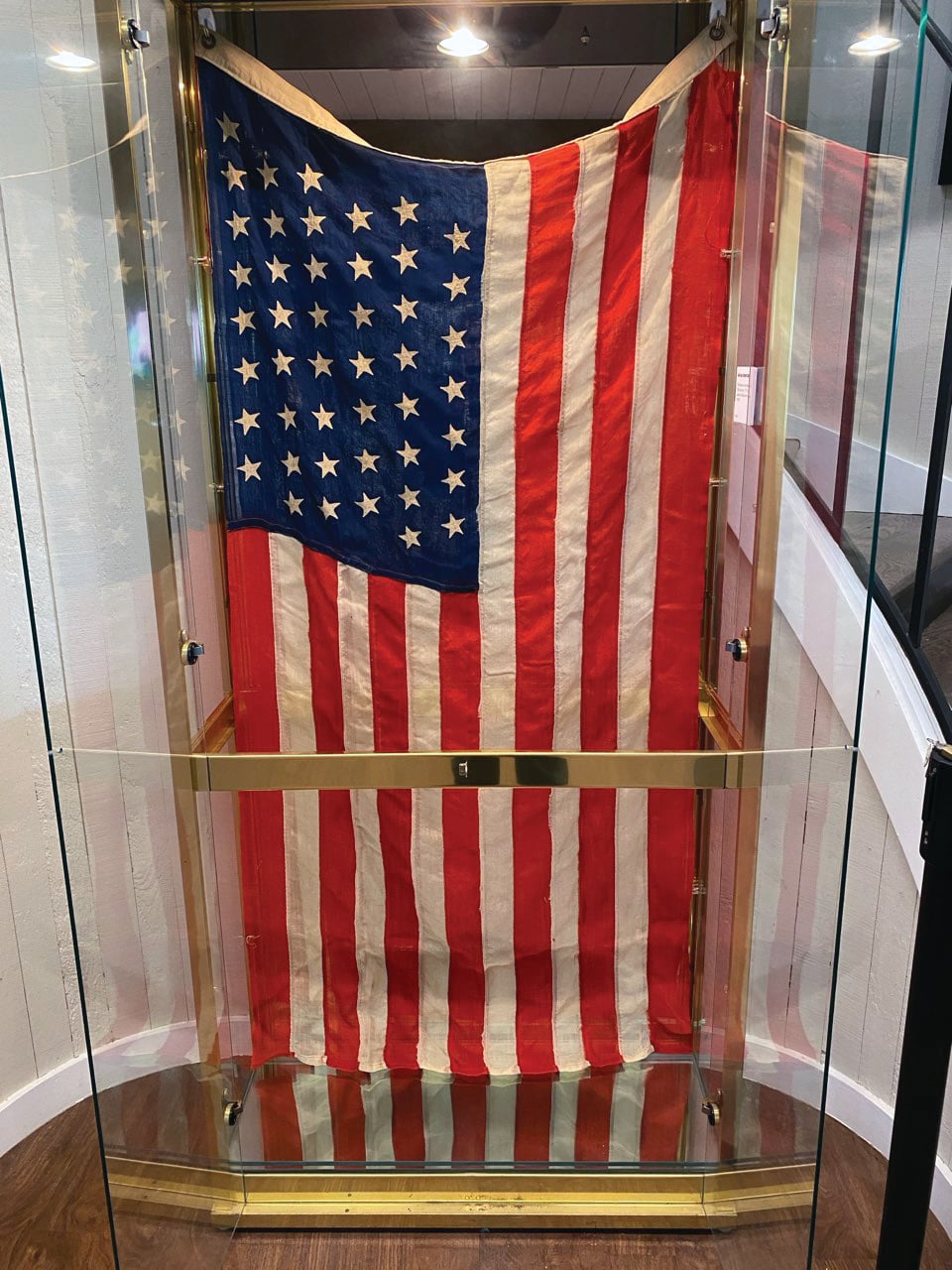
As part of its America 250 celebration, the Forest Preserve District is displaying a 46-star flag from its collection at a special exhibit at St. James Farm. The flag was the official symbol of the country between 1908 and 1912.

A 1777 act of Congress gave the U.S. its first flag, one with 13 stars, each representing a state. In 1818 a new act, which is still in effect today, established how the flag would change as the country grew. Moving forward, each new flag would have 13 stripes of red and white and a blue field containing a star for every state. As states joined the union, the flag would gain stars the following July 4. When Illinois became a state in 1818, its star (added on July 4, 1819, giving the flag 21) was the first direct result of that act. The flag gained its 50th star on July 4, 1960, after Hawaii became a state.

To see the 46-star flag and other artifacts from the District’s collection, visit St. James Farm Friday – Sunday 11 a.m. – 3 p.m. through Oct. 31. For details on other Forest Preserve District America 250 happenings, visit dupageforest.org/America-250.


An American flag with 46 stars hands in a case.

District Welcomes New Executive Director

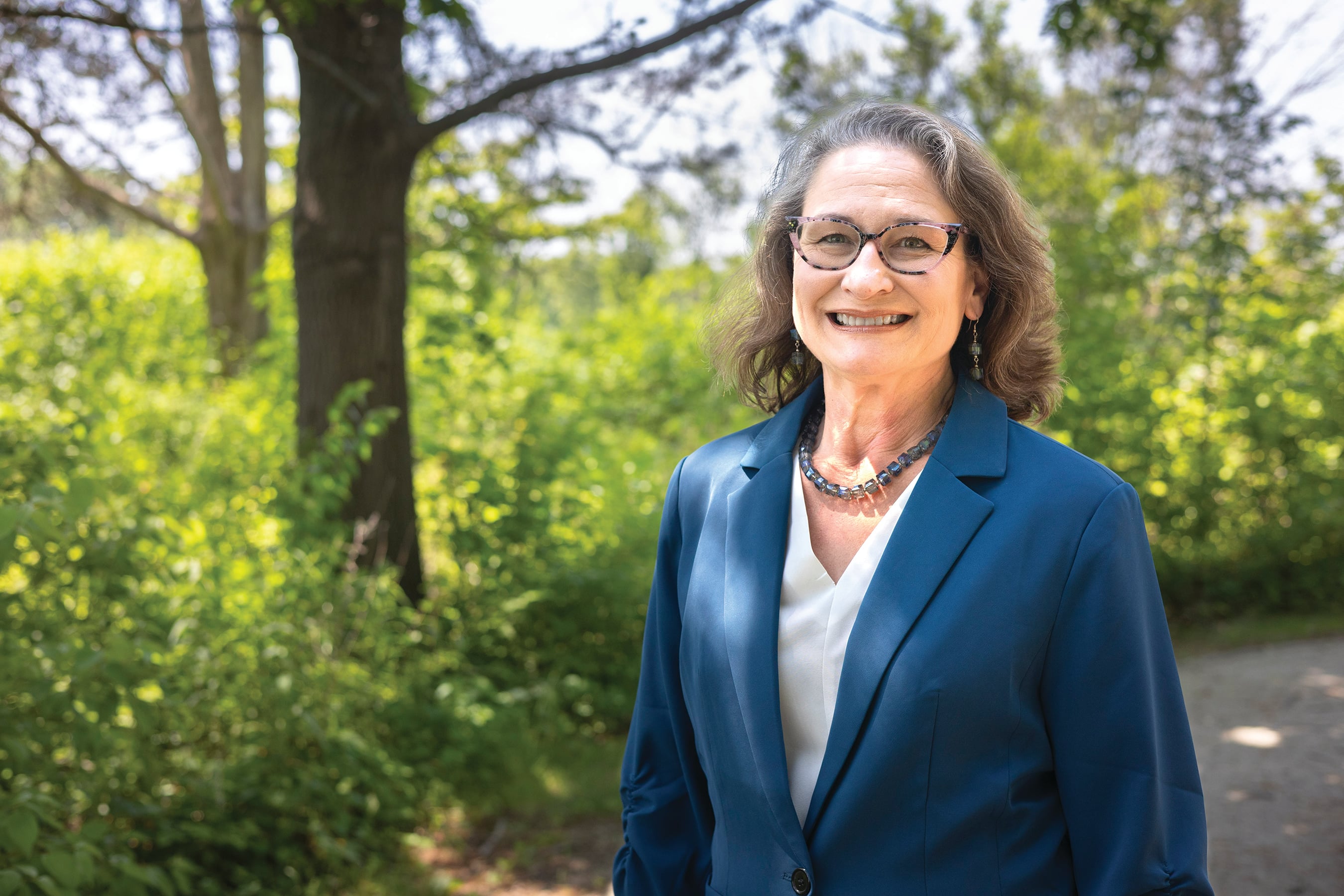
The Board of Commissioners has hired Anamari Dorgan as the agency’s new executive director. Dorgan will oversee District operations and administrative functions while supporting the board and will help guide the District as it advances major conservation, restoration, education, and visitor-experience projects.

Since 2017 Dorgan has served as the District’s director of Community Engagement, overseeing seven education centers, resident and media communications, and visitor-experience programs. During that time she has led major organizational initiatives involving public outreach, strategic priorities, cross-divisional coordination, communications, and crisis response.

Throughout her career Dorgan has led teams through change, managed complex public-facing operations, built productive partnerships, secured grant funding, and aligned mission-driven work with community expectations. 

A woman with dark hair and glasses poses for a photo in front of plants.

Mussels on the Move

For the past 14 years the main goal of the Forest Preserve District’s Urban Stream Research Center at Blackwell has been to raise and release native freshwater mussels, the most imperiled wildlife species in the U.S. Over that time the center has placed more than 38,000 into local rivers and streams.

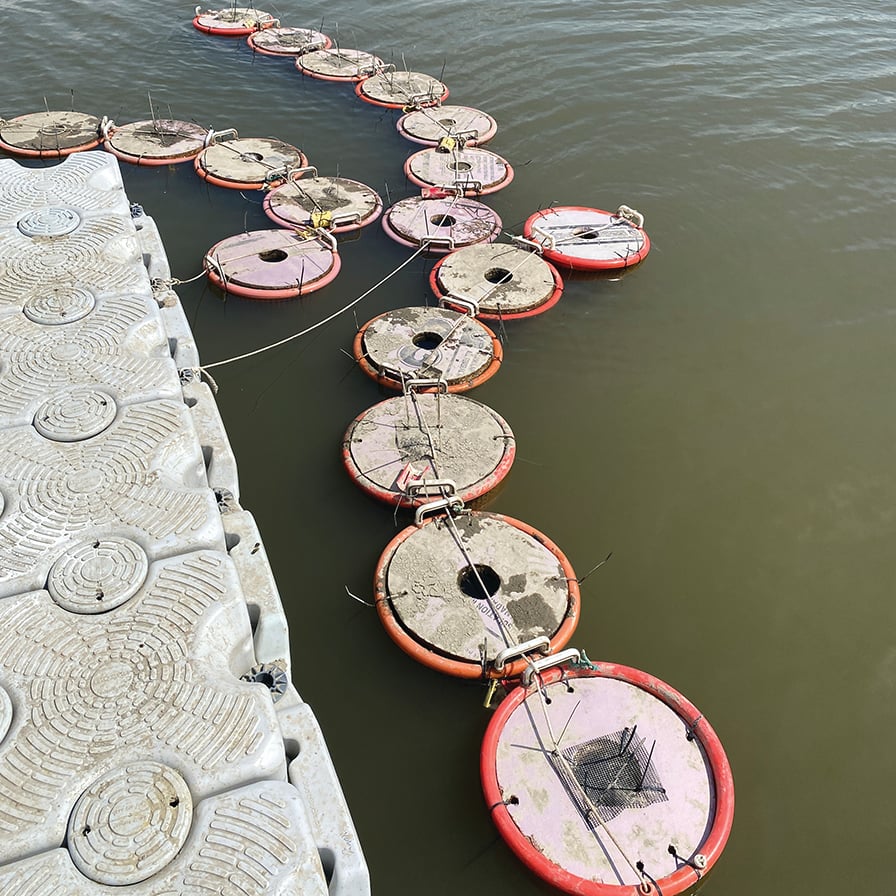
Last winter, for the first time since opening, the center overwintered 4,000 young mussels in 18 special baskets attached to a floating dock in Rice Lake at Danada. The effort yielded a recovery rate of 91%, a marked increase over the average 26% that survive when overwintering in the lab.

Because the dock was already in place, in spring, ecologists were able to move mussels from the research center to Rice Lake for summer grow-out sooner than normal. As of May, over 30,000 mussels from five different species were already in the lake. Visitors will likely see staff at the preserve on a weekly basis throughout the season as they monitor the mussels’ growth and survival.

Combined, these winter and spring efforts along with the 23,000 mussels still at the lab put the center on track for one of its largest propagation years to date. For more on the center, visit dupageforest.org/what-we-do/species-recovery.

Baskets float next to a dock on a lake.

Trail Construction Celebration

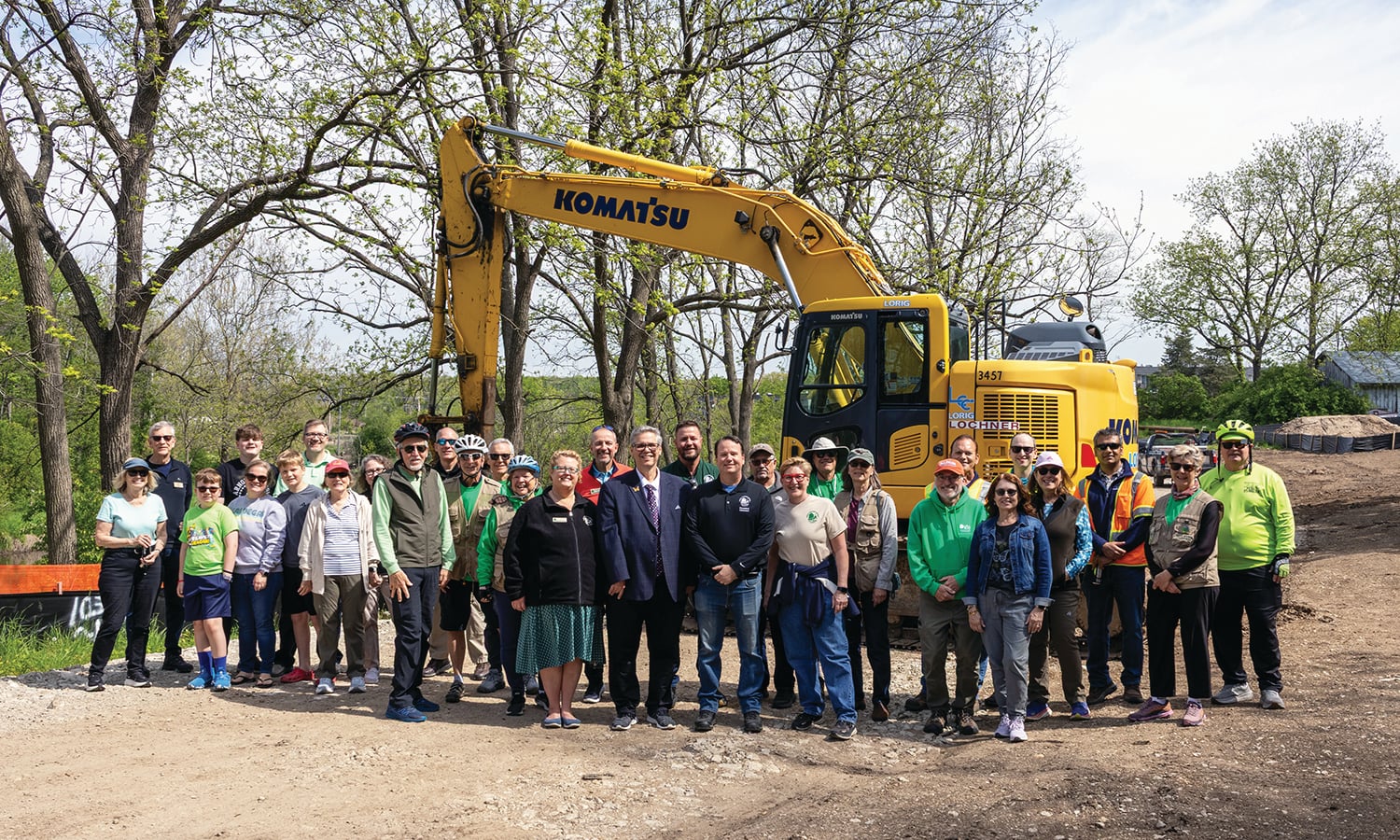
In May the Forest Preserve District marked the start of construction on the final stretch of the 26-mile West Branch DuPage River Trail with a ceremony at Blackwell. The 0.7-mile segment will connect Blackwell and West DuPage Woods and feature a 750-foot prefabricated steel truss pedestrian bridge over Route 38 (Roosevelt Road) and the West Branch DuPage River.

Construction is expected to be completed in June 2027. Most of the $8.5 million project is being funded through the federal Transportation Alternatives Program and Surface Transportation Program. The Forest Preserve District is contributing $1.88 million.

The regional trail roughly follows the West Branch DuPage River and when complete will connect the North Central DuPage Regional Trail at Hawk Hollow in Bartlett to Will County to the south.

A group of people stand in front of a construction machine in a forest preserve.

Fullersburg Woods Joins National Register

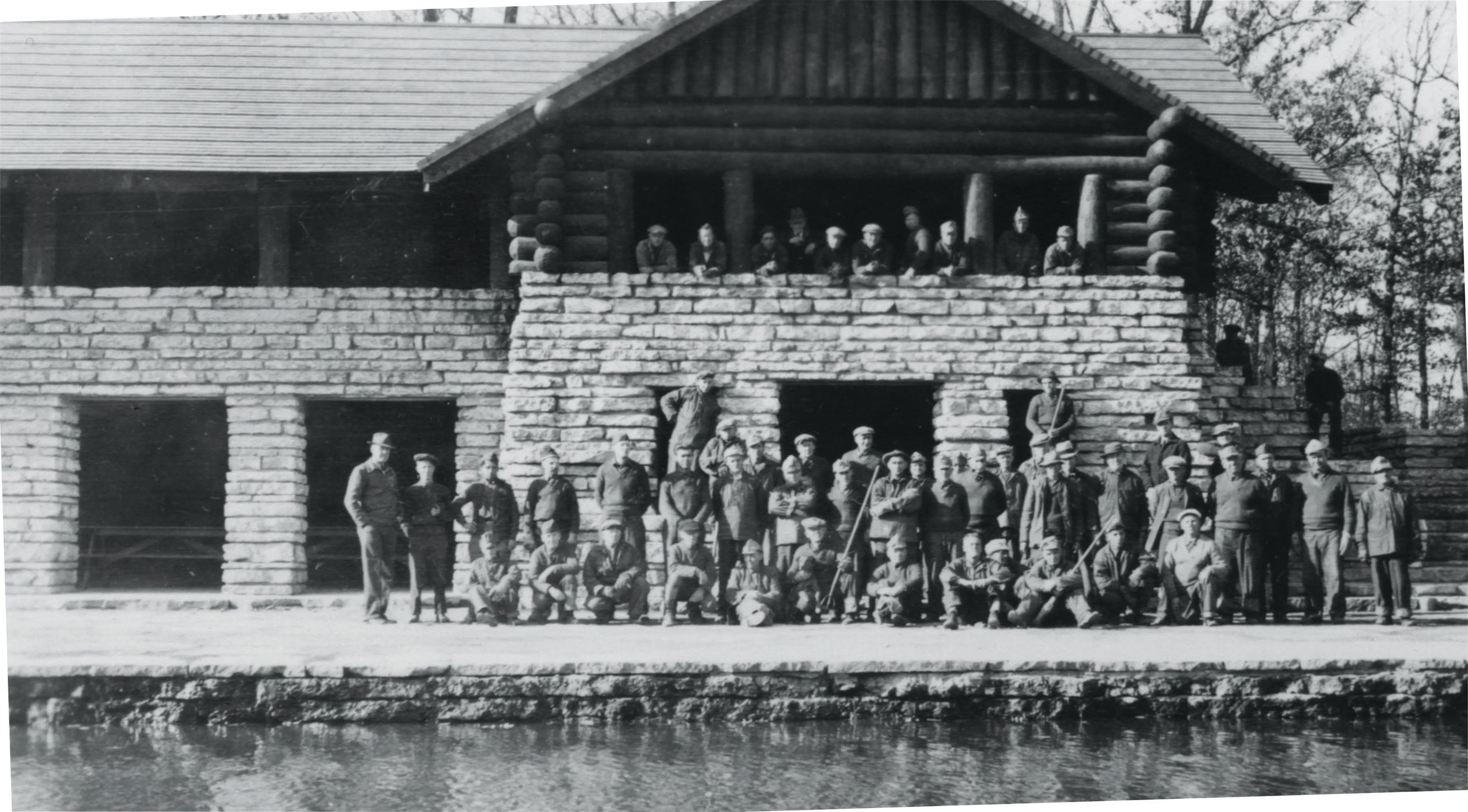
In May the U.S. Department of the Interior added 176.9 acres of Fullersburg Woods to the National Register of Historic Places. Among other features, the designation includes trails, five buildings, and eight additional structures. The listing not only recognizes how the preserve and its architecture exemplify the history of the Great Depression-era New Deal program and the Civilian Conservation Corps but also opens up the possibility of potential grant opportunities.

456

Forest Preserve District America 250 Lineup 

In celebration of the 250th anniversary of U.S. independence, this summer the Forest Preserve District is offering a themed lineup of features and activities.

In the visitor center at St. James Farm, Stars and Stripes: Our American Flag presents the history and significance of the American flag with red, white, and blue artifacts from the District’s collection. The exhibit is open Friday – Sunday 11 a.m. – 3 p.m. now through Oct. 31.

Online, the four-part A History of DuPage County explores the land, plants, animals, and people of the region from 1776 to today. There’s also a video series that demonstrates the historical process of creating an American flag by hand from raw wool to died yarn to finished sewn piece.

The District is also running America 250 scavenger hunts on the Goosechase app that will guide explorers to forest preserve sites tied to local history.

For links to all of the Forest Preserve District America 250 blogs, videos, programs, and scavenger hunts, visit dupageforest.org/America-250.

An American flag blows in the wind.

Mayslake Hall Closure 

As a reminder, Mayslake Hall at Mayslake Peabody Estate is closed as the Forest Preserve District works to renovate the interior of the 100-year-old building. The surrounding forest preserve and access to Trinity and Mays lakes will remain open. For updates visit dupageforest.org/mayslake.


Thank You for Being a Friend

The Friends of the Forest Preserve District of DuPage County advances the Forest Preserve District’s vision through philanthropic endeavors and fundraising to benefit habitat restoration, wildlife preservation, and educational and recreational programs.
The Friends gratefully acknowledges those who gave $500 or more in January, February, and March 2026.

Learn more or donate on the Friends webpage, or mail your gift to the Friends of the Forest Preserve District of DuPage County, 3S580 Naperville Road, Wheaton IL 60189. To discuss your giving plans or learn about Friends’ board service opportunities, please contact Partnership & Philanthropy at 630-871-6400 or fundraising@dupageforest.org

0U3A8747
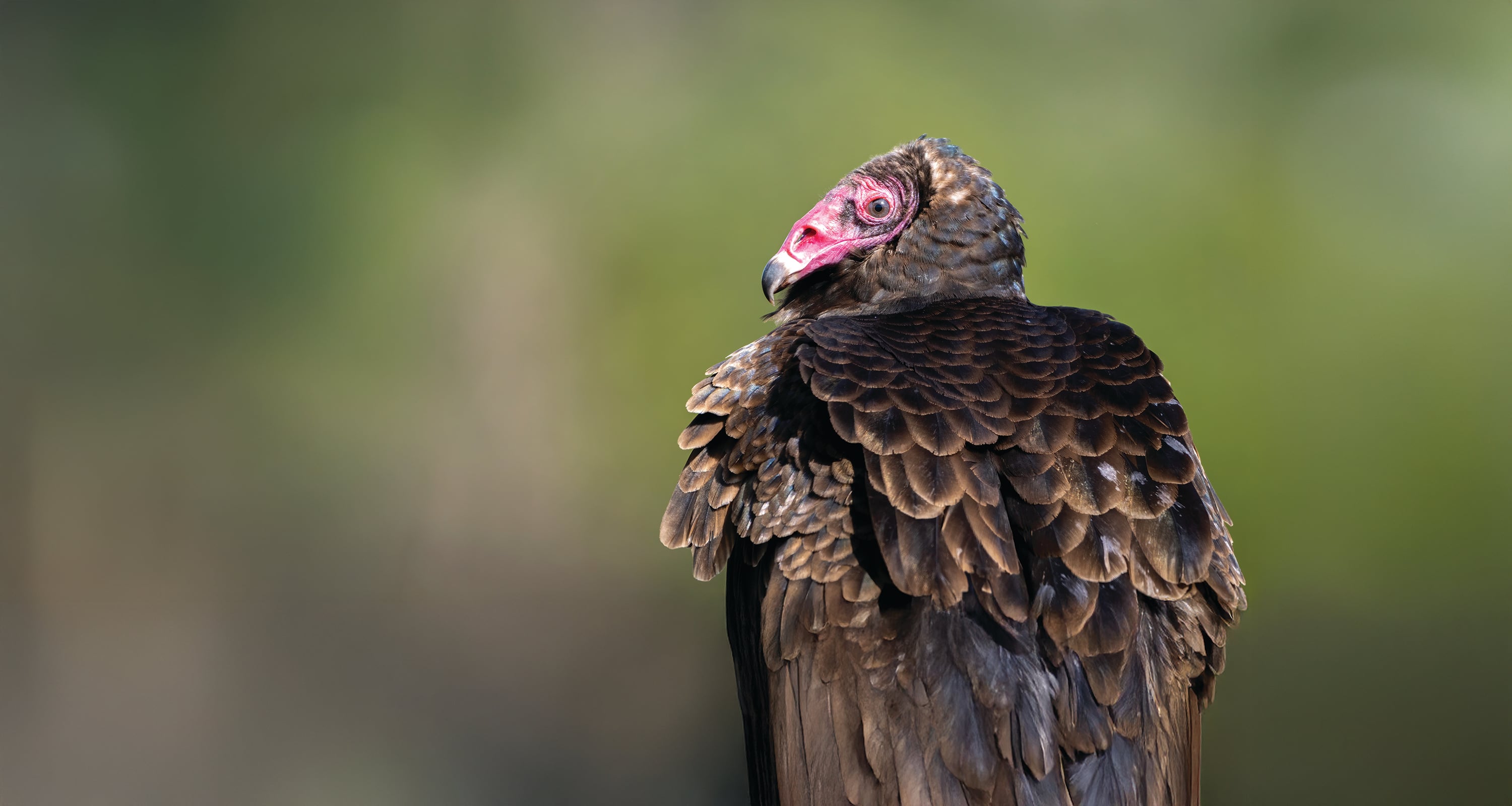
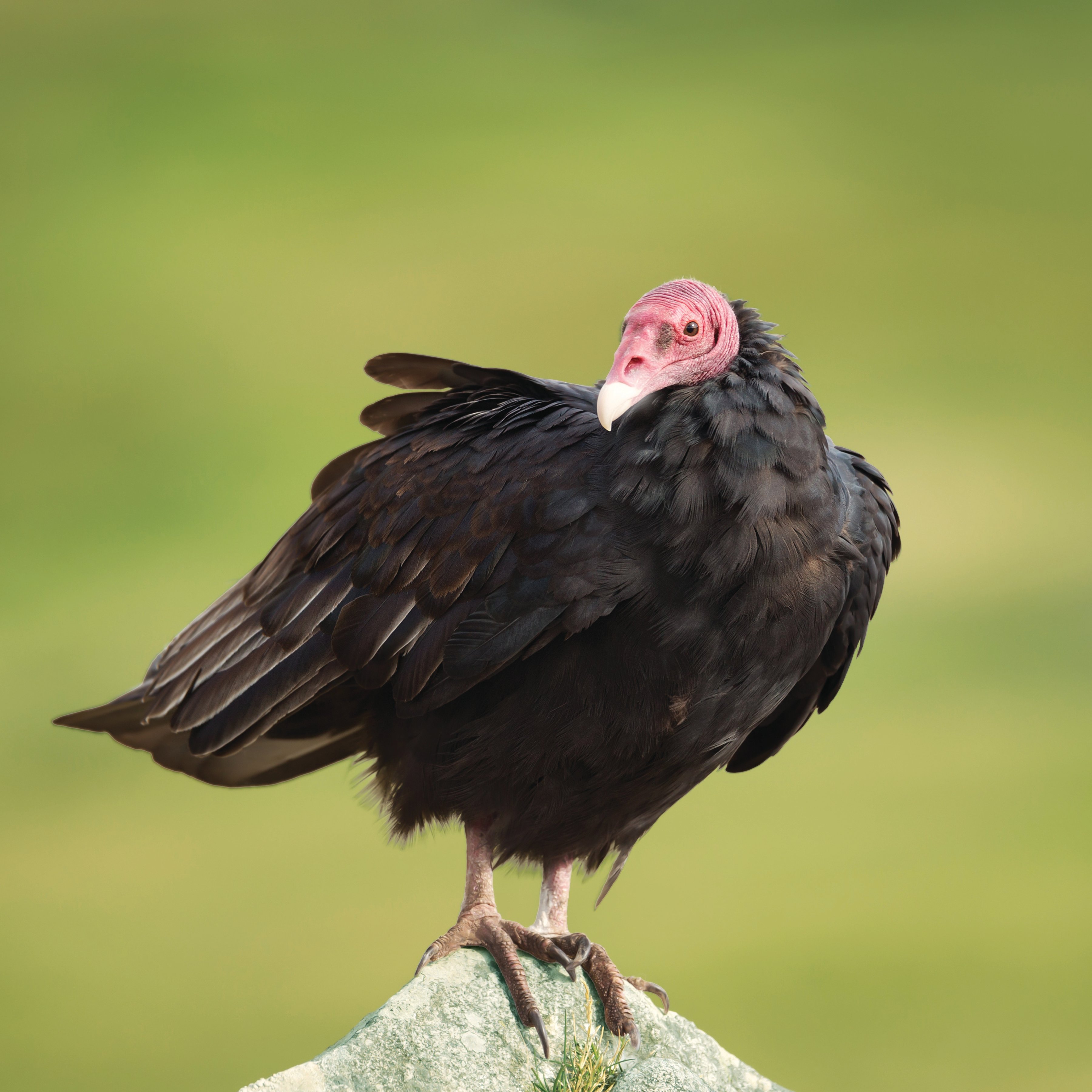
A turkey vulture stands with its brown feathers folded down on its back.

In addition to having wider nostrils than most birds, turkey vultures have larger "olfactory bulbs," the part of the brain that processes smell.
Built To Do the Dirty Work

Underappreciated and undervalued, the job of a scavenger is one of the more important functions in the ecological workforce. This role in the food chain is essential to keep ecosystems clean and healthy. Lucky for us, DuPage County is home to one of the best scavengers around: the turkey vulture.

Scavengers and decomposers have similar “dirty” jobs.  They clean up rotting plants and animals. Scavengers lead off the process by picking apart or eating decaying materials, breaking them into smaller pieces. Decomposers (fungi, bacteria, insects) step in as the closers, breaking things down further and returning essential nutrients to the soil. Together, the two groups are nature’s recycling dream team.

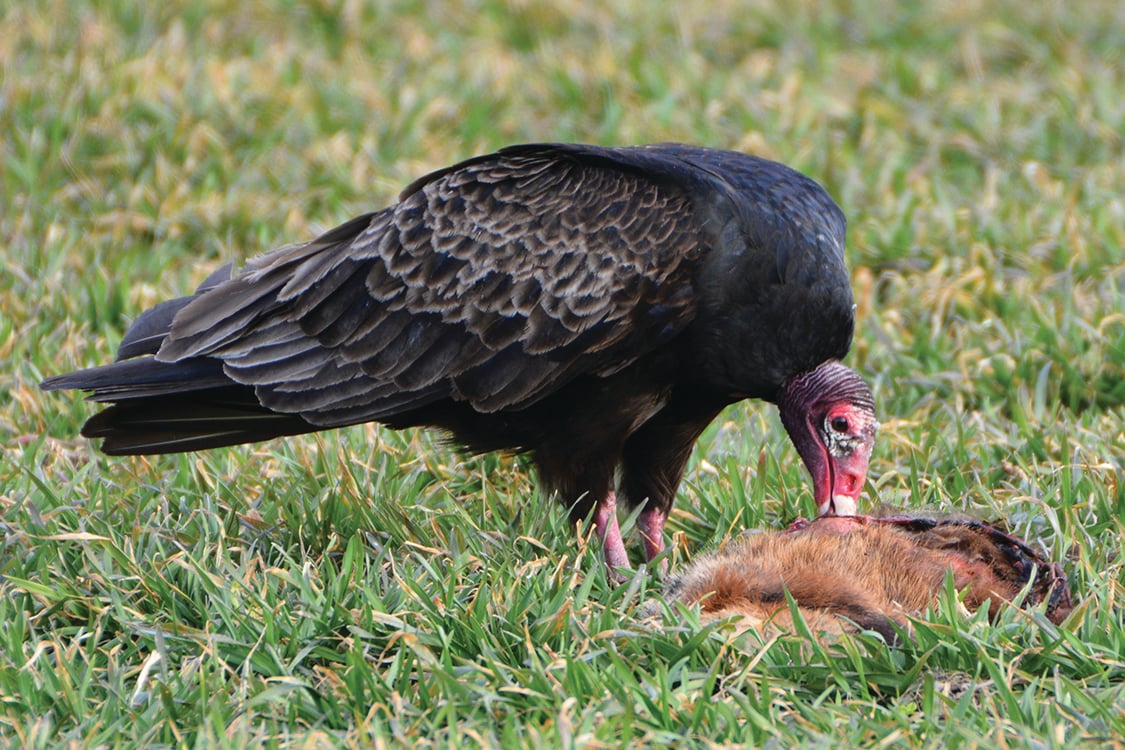
Although many animals scavenge for food, most are considered “facultative,” or opportunistic, scavengers. They have the ability to forage or hunt but won’t pass up an easy meal. Eagles, gulls, coyotes, raccoons, opossums, snapping turtles, and crows are all facultative eaters. Turkey vultures, on the other hand, are “obligate scavengers,” the true professionals in their field. They rely on carrion (aka dead animals) as their sole source of food and have special adaptations for eating these otherwise unpalatable meals.

Turkey vultures begin their search for food high in the sky. With wingspans up to 6 feet, vultures can soar with incredible efficiency. The “fingers” of the splayed primary feathers at the tip of each wing create mini eddies of air currents that reduce the need to flap, and a wobbly V-shaped wing position keeps the birds afloat and stable. This allows vultures to take advantage of thermals, warm rising air currents that develop over land. Riding thermals gives vultures height, and a controlled descent allows their noses to find dinner.

It wasn’t originally understood if turkey vultures used scent or sight to locate food, but the answer turned out to be both. Early experiments set out hidden, visible, and fake carrion and timed vultures’ arrivals. Results were mixed, but turkey vultures appeared to have standards: the fresher the dead animal the better. A eureka moment occurred when researchers realized turkey vultures also responded to leaky gas lines. There was no food, but there was an enticing aroma.

A turkey vulture bends over in a field to eat a dead animal.

Extremely strong stomach acids and gut bacteria allow turkey vultures to safely eat what many animals cannot.
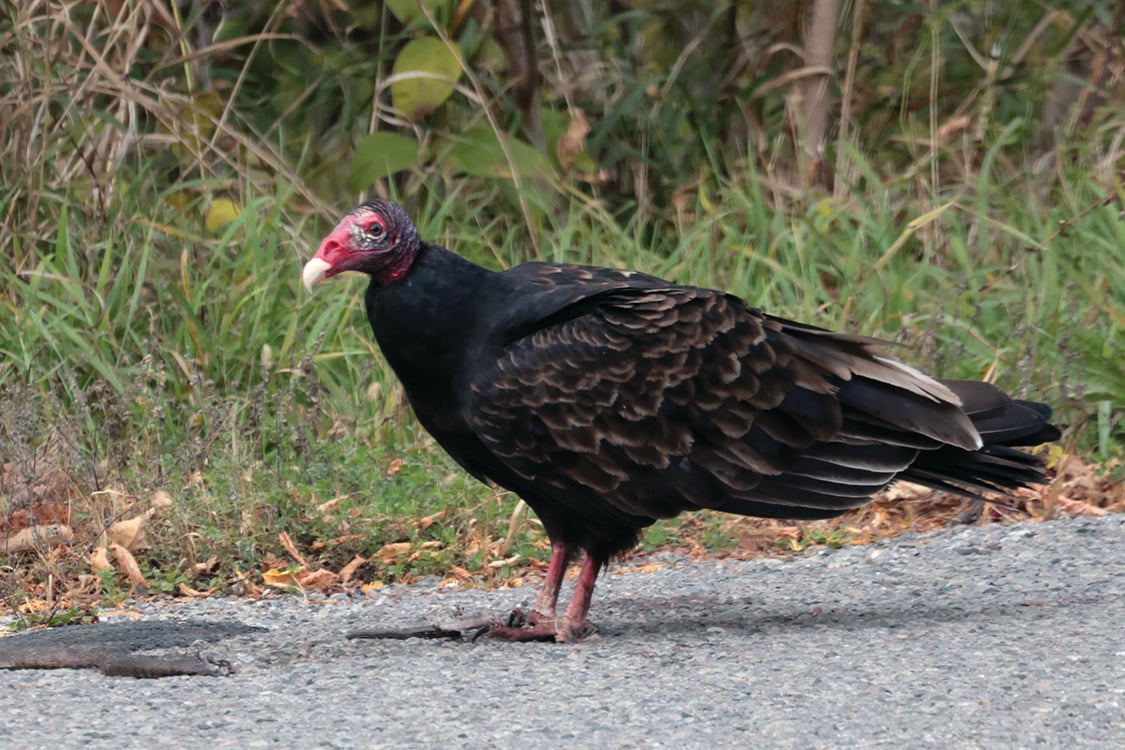
A turkey vulture stands near the edge of a road.

Turkey vultures often dine on roadkill, so be careful and on the lookout for these important scavengers when driving.
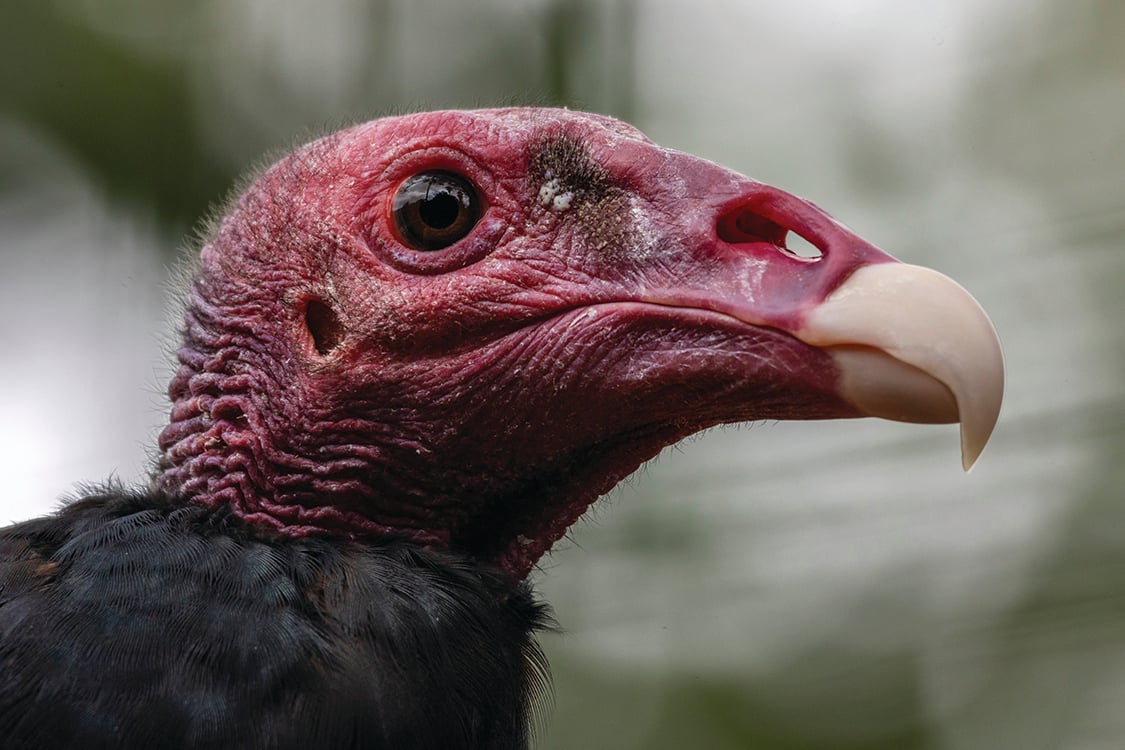
Further studies revealed that a turkey vulture’s olfactory bulb (the part at the base of the brain that processes smell) is much larger than that of a black vulture and contains more mitral cells, which are responsible for carrying information to the brain. Turkey vultures also have larger, more open “nares,” or nostrils, that can detect food hundreds of feet below.

Once they catch a faint scent in the air, turkey vultures start making closer, circling inspections. This is when their keen vision pitches in to pinpoint the meal. (Interestingly, where black and turkey vulture ranges overlap, black vultures have learned to follow their cousins to the feast.)

Wing design and sharp senses have made the turkey vulture one of the most widespread and successful vultures in the world, but these features are just the wrappings. Inside is where the magic happens. A vulture’s unique digestive system is a dead end for pathogens. Rivaling the acidity of battery acid, a vulture’s stomach has a pH of 1.3 or below, making it one of the most corrosive environments in the animal kingdom, one that can wipe out anthrax, botulism, rabies, and cholera. The gut biome manages what the stomach acid cannot with enzymes containing highly toxic clostridia and flesh-eating fusobacteria. This exceptional immune system lets vultures eat what would make most other creatures sick.

A close-up photograph of a turkey vulture's featherless head and pointy beak.

Turkey vultures' featherless heads may make it easier for these birds to clean up after a meal.
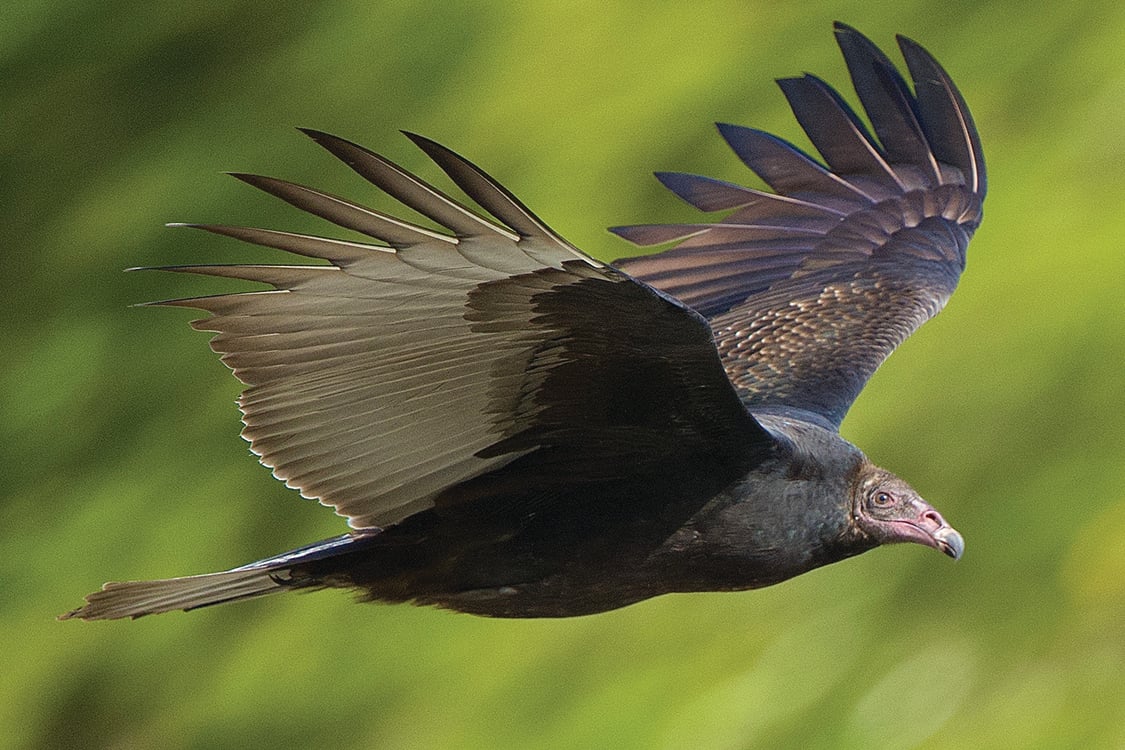
A turkey vulture soars with its wings in a V-shape.

A turkey vulture's 6-foot wingspan, splayed feathers, and V-shaped wings make it an excellent soarer.
Unfortunately, vultures are some of the most threatened birds on the planet. Of the 23 species worldwide, 14 are threatened, including North America’s critically endangered  California condor. The biggest threats are habitat loss, lead and other types of poisoning, and collisions with vehicles and power lines.

The stark reality of a world without vultures was made evident in India in the mid-1990s. The birds were eating dead livestock that, when alive, had been treated with diclofenac, an anti-inflammatory that causes kidney failure and death in vultures. With few surviving vultures, over time, an accumulation of decaying animals and an increase in feral dogs caused a spike in rabies, pests, and other human health risks.

Here in DuPage, where turkey vultures reside March through November, there are a couple of easy ways to help these birds out. First, don’t use rodenticides or lead fishing gear. When a vulture (or any predator) eats a poisoned rodent or fish, it also ingests the harmful toxins. Second, be on the lookout for vultures when driving. Many are killed while enjoying roadside meals.

Despite their value, vultures can get a bad rap for just being vultures. Scavengers in general are often incorrectly characterized as dirty or gross, and vultures carry the additional misguided label of harbingers of death. They may have heightened senses, but sensing approaching death is not one of them. In fact, turkey vultures are the opposite, renewing life and restoring balance to the natural world.

So the next time you see turkey vultures circling overhead, send a nod of thanks their way. Their dining habits may disgust us, but somebody’s got to do it, and turkey vultures’ extraordinary abilities make them perfect for the job.

DuPage County's Nutty Trees

DuPage County’s native nut-producing trees have been part of the landscape for centuries, providing food and habitat for wildlife and food, shelter, medicine, and tools for Native Americans. Oaks, chestnuts, and buckeyes all produce nuts, but today let’s look at the hickories and walnuts that grow in our forest preserves.

First, a quick botany lesson. When people think of a “fruit,” they likely picture something like a fleshy apple or orange. But a fruit is merely the part of a plant that carries a seed (the part that can develop into a new plant). That means a nut is a fruit.

Two types of hickories are common in DuPage County’s high-quality woodlands and savannas: the bitternut and the shagbark. The bitternut hickory is aptly named for its generally unpalatable nuts, which are so bitter that even mammals such as squirrels rarely eat them. However, in the caterpillar stage, hickory hairstreak, hickory tussock, and other moths eat bitternut leaves, making the trees popular dining sites for insect-eating birds such as cuckoos, tanagers, vireos, and warblers.

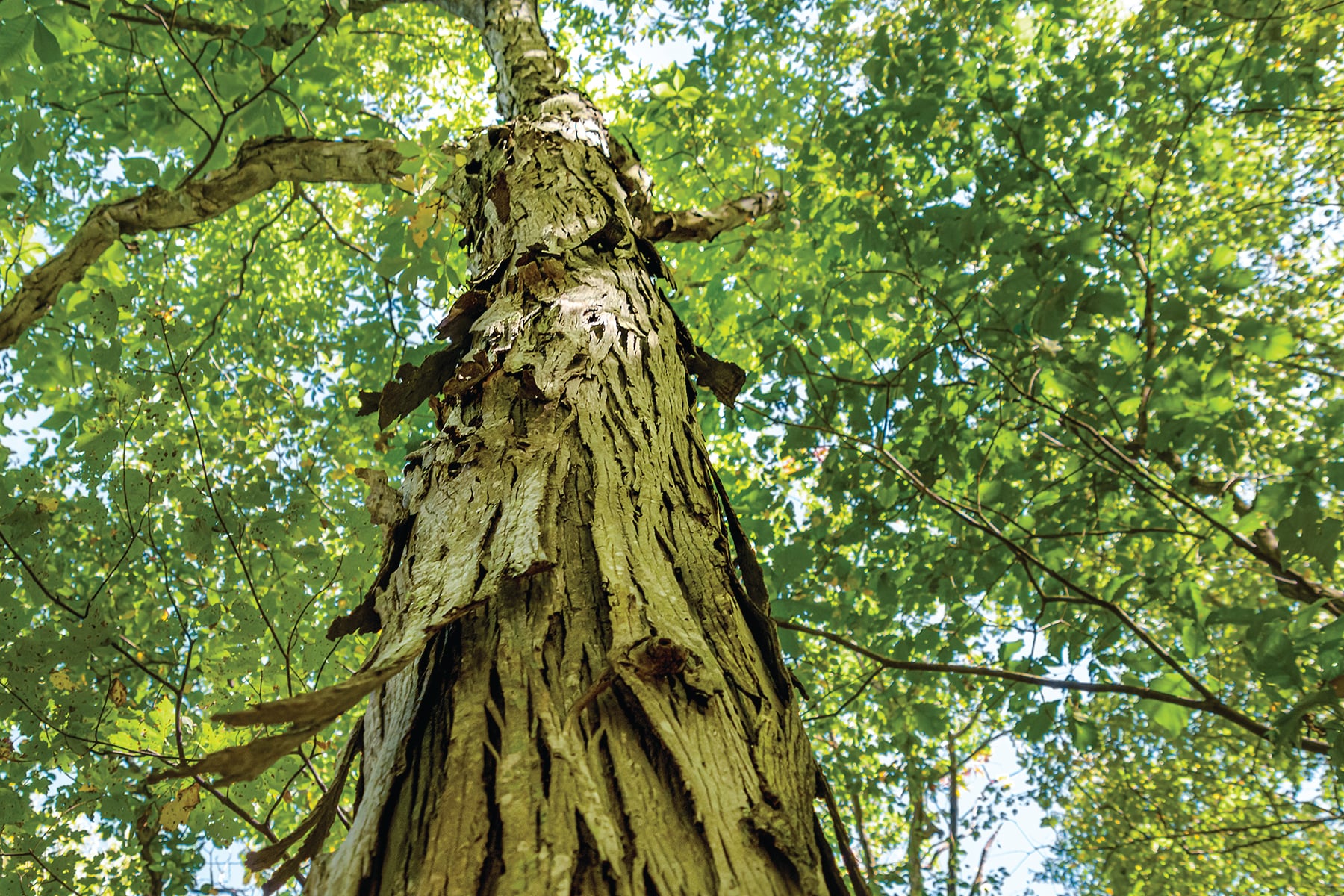
The shagbark hickory gets its name from its characteristic peeling bark, which provides roosting sites for bats and nesting sites for brown creepers and other cavity-nesting birds. Unlike those from the bitternut hickory, shagbark hickory nuts are sweet and an important source of food for wildlife ranging from crows, blue jays, and woodpeckers to chipmunks, squirrels, coyotes, and foxes.

Like other native trees, shagbark hickories were growing in Illinois savannas when the first Europeans arrived in the late 1600s, although they were shrubbier in stature, the result of periodic fires set by Native Americans, which helped savannas remain fairly open with a few scattered oaks and short hickories. As European settlers suppressed fires in natural areas in the 1800s and into the 1900s, many shagbark hickories grew tall, but as the Forest Preserve District uses prescription burns as a habitat restoration tool throughout the preserves, ecologists are again seeing smaller hickories in places like Elsen’s Hill at West Branch.

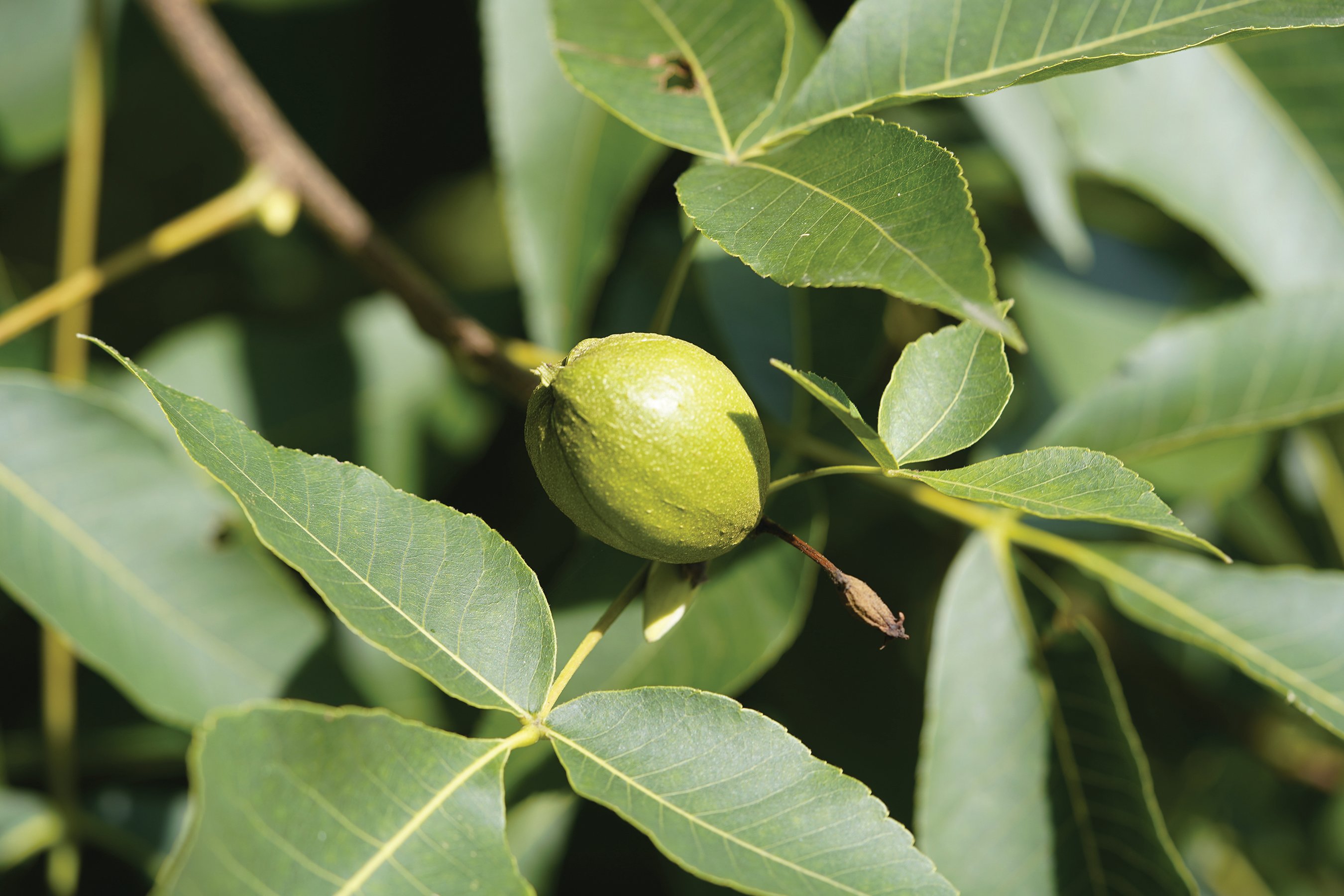
A shagbark hickory nut on the stem near leaves.


Looking up at the peeling bark of a shagbark hickory.

The peeling shingles of bark on a mature shagbark hickory give the tree its common name.
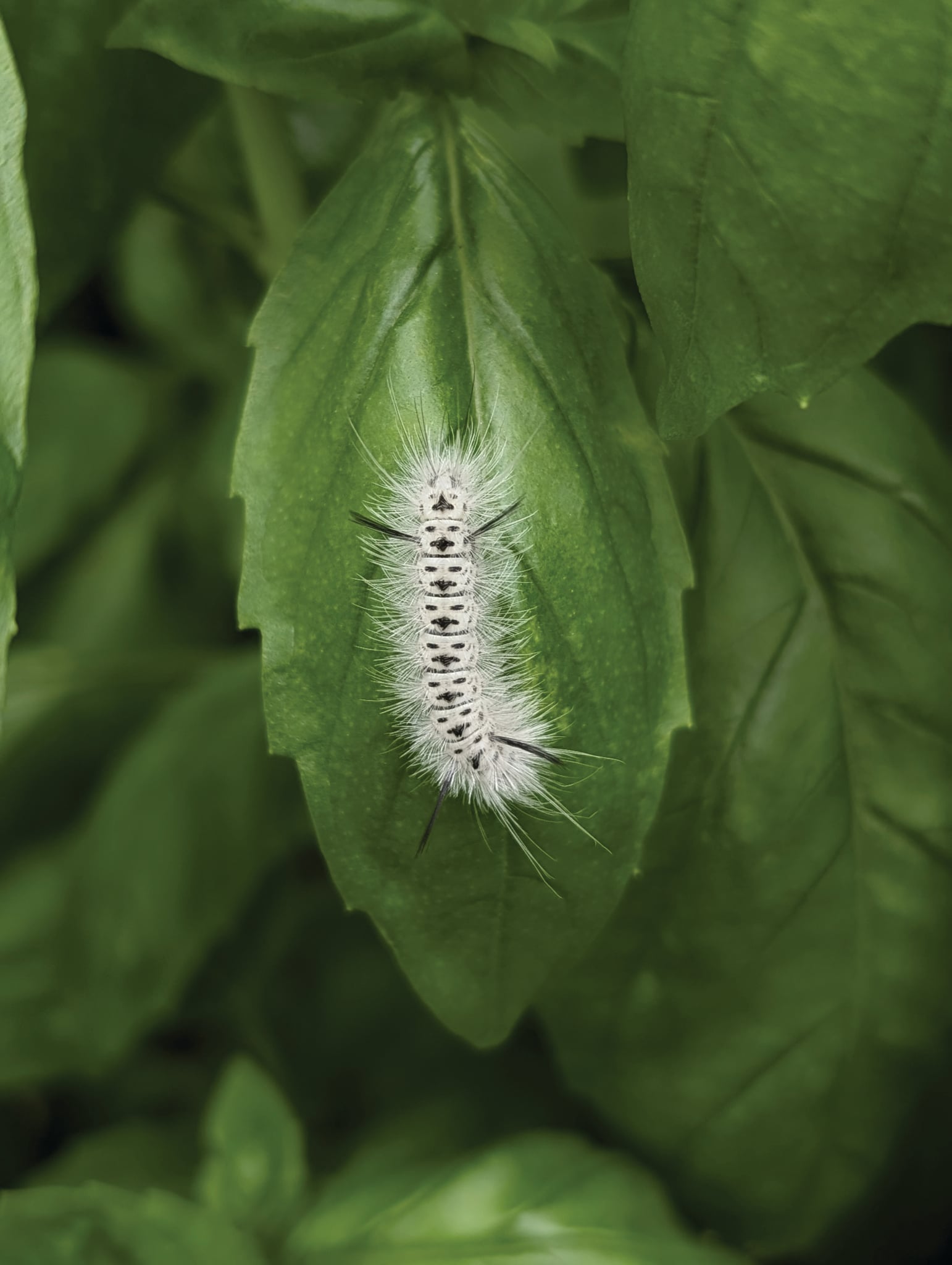
A black and white moth climbs a green leaf.

The caterpillars of hickory tussock moths eat the leaves of bitternut hickories, which makes the trees attractive to hungry caterpillar-eating birds.
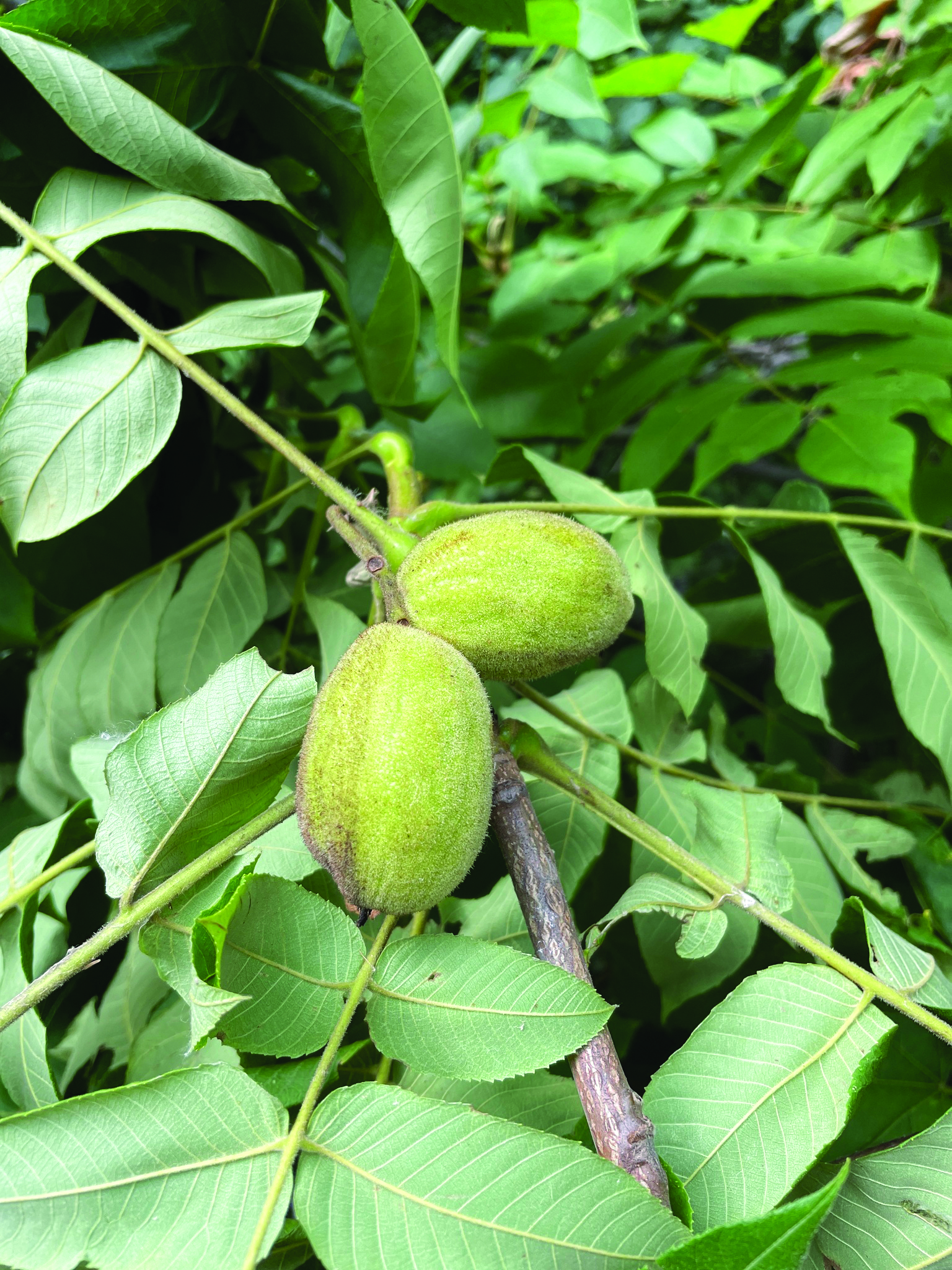
DuPage County has two walnut trees in the genus Juglans, black walnut and butternut. Most walnuts produce “juglone,” a chemical found in the trees’ roots, leaves, bark, and fruit. Juglone is “allelopathic,” which means it suppresses the growth of nearby plants. This is why you won’t see a lot of vegetation growing below mature walnut trees.

Of the two walnuts, black walnuts are far more common. Similar to hickories they’ve been in local savannas and woodlands for ages, although often restricted to wetter floodplains along rivers. Due in part to a lack of fire and the trees’ overall adaptability, black walnuts are now abundant in a variety of forest preserve habitats.

The lesser-known butternut, also called the white walnut, is state-endangered due in part to an invasive fungus called butternut canker, which eats away the living tissue underneath the bark. If the canker eats a complete ring around a tree, the tree will die.

Records show butternuts once grew in 17 DuPage forest preserves, but today they remain only in five. That’s why Forest Preserve District ecologists along with researchers from The Morton Arboretum are tracking and studying butternuts to better understand where they still grow, how the butternut canker affects them, and what we can do to help conserve the species. One way the two agencies are teaming up is by propagating butternut seedlings from fruits collected at different preserves. Experts at the arboretum start by growing little butternut trees from the seeds. Forest Preserve District staff then replant the seedlings in recently restored habitats to increase their odds of survival. Through this partnership ecologists hope to learn how to best conserve butternuts so they can grow in the preserves for future generations of people to enjoy and wildlife to use.

Whether it’s the common shagbark or bitternut hickory, the black walnut, or the rare butternut, many magnificent nut-bearing trees grow in DuPage forest preserves. Look for them on your next summer walk (just watch out when those nuts begin to drop in the fall!)

Butternuts attached to the stem of a plant and surrounded by leaves.

Butternuts once grew in 17 DuPage forest preserves but are now only found in five.
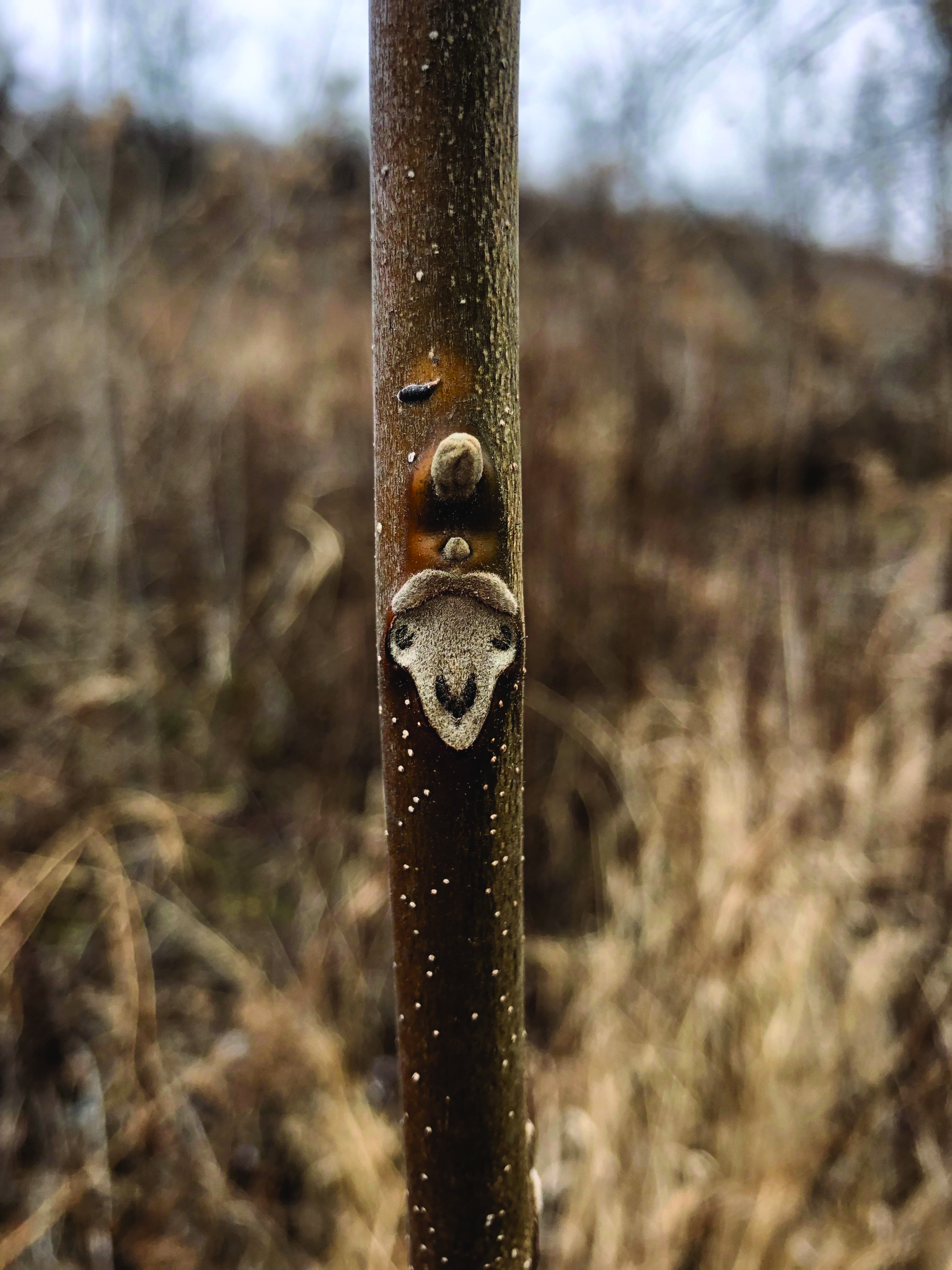
A leaf scar on a twig where a leaf was once attached looks like a llama's face.

A leaf scar (a spot where a leaf was once attached to a twig) on a butternut looks like a little "face" and helps even experienced ecologists identify these rare trees.
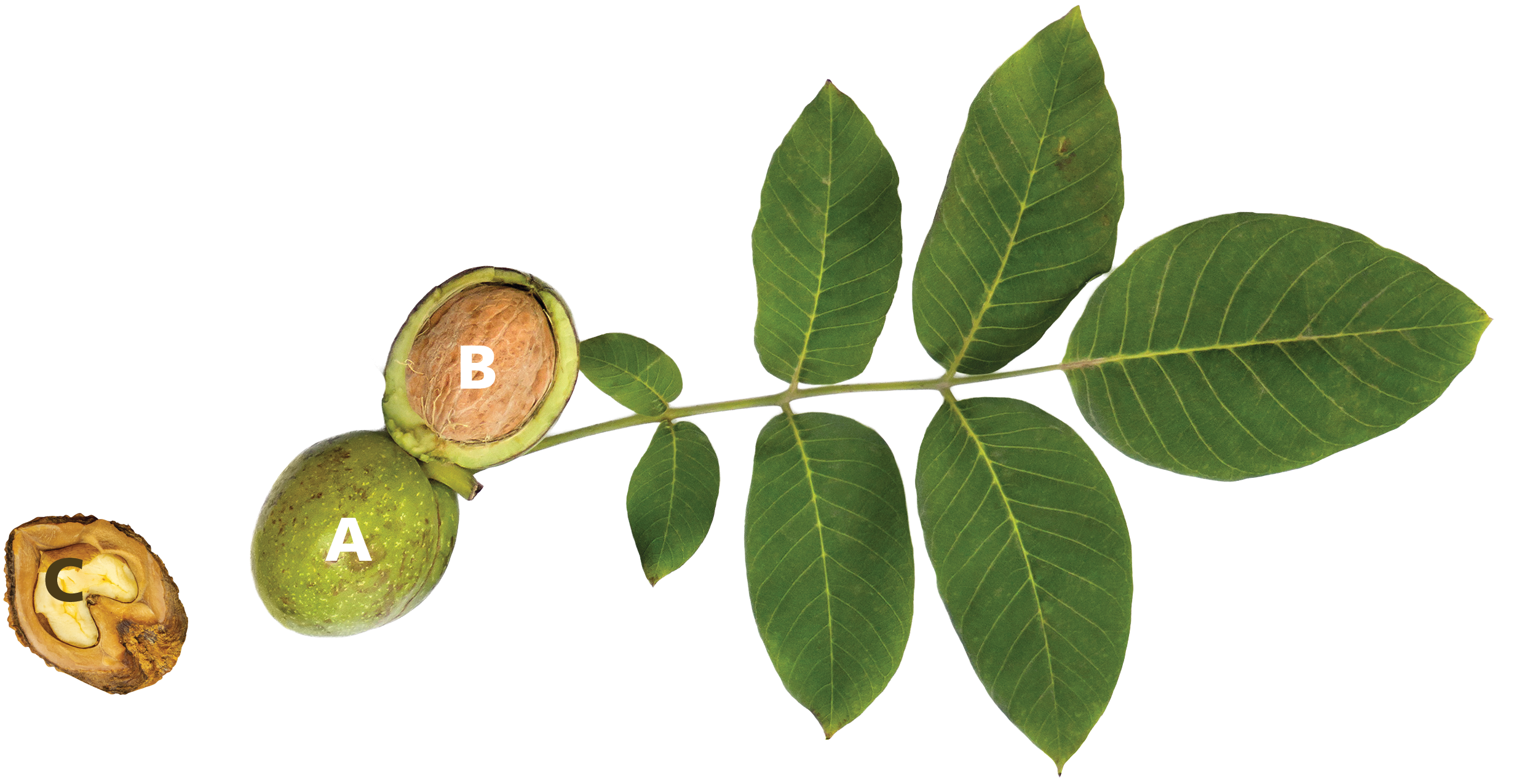
drupe-black-walnut-AnastasiiaMalinich-Adobe

When a Fruit Is a Drupe

The nuts of hickories and walnuts are classified as “drupes.” A drupe, like this one from a black walnut, consists of a fleshy outer layer, an inner pit, and a seed within the pit. In the case of a walnut, it’s this seed in the center that we think of when we think of a nut. Other trees that produce drupes include plums, peaches, olives, cashews, and pecans.

A. Fleshy outer layer

B. Inner pit

C. Seed (aka "the nut") at the center of the inner pit


Photo Credits: header Giedriius/stock.adobe.com; vulture header Matthew Jolley/stock.adobe.com; carrion Carol Hamilton/stock.adobe.com; vulture road Janet/stock.adobe.com; wingspan © Howard Thiele; beak Mauro Rodrigues/stock.adobe.com; nut Guentermanaus/stock.adobe.com; shagbark KQFerris/stock.adobe.com; scar © Grant Fessler; caterpillar © Charlie Nadeau; drupe Anastasiia Malinich/stock.adobe.com; 

Download the entire issue!

The cover of the Summer 2026 Conservationist features a turkey vulture.